The wild-Mind Blog
On burnout, neurodivergence, and building a life that fits.
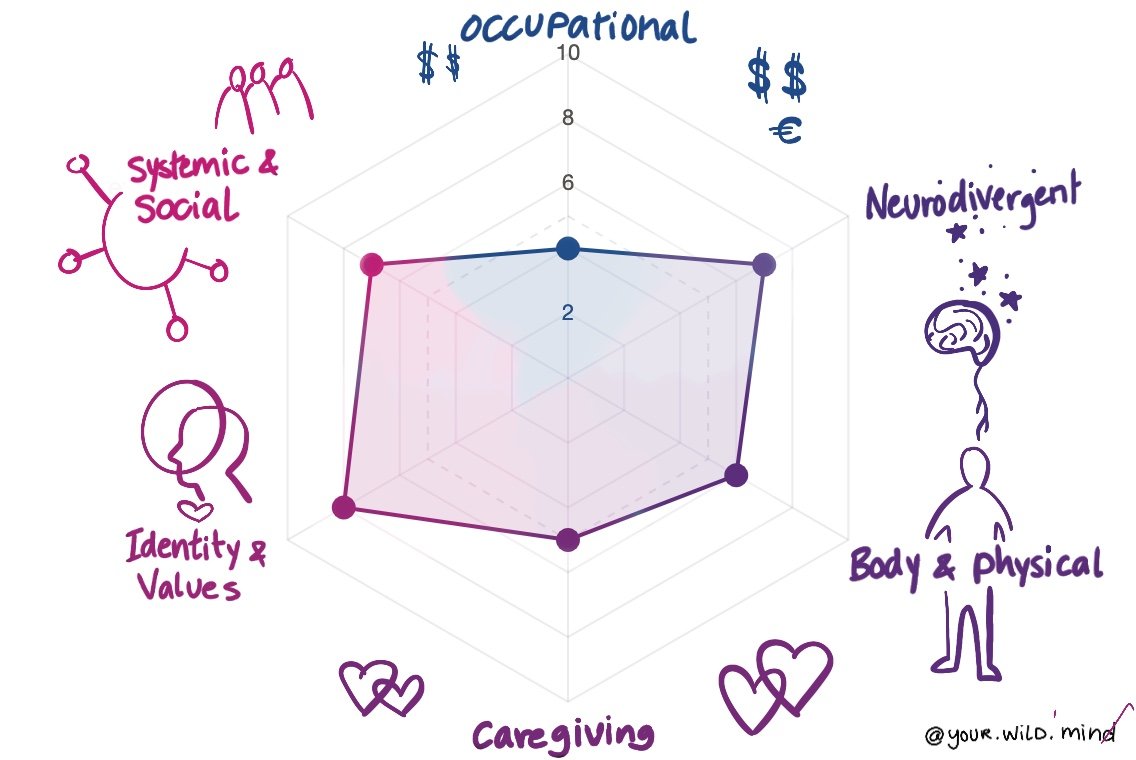
Types of Burnout (it's not just work stress) — Every Category Explained, and Why They Overlap
Burnout. Everyone’s talking about it, but the conversation almost always centres on work stress. Not only does that leave a lot of people’s experiences out, but it isn’t even a complete picture of work related burnout. Even if work stress is the primary driver of your exhaustion, stress rarely comes in single servings. Lets dive in to the different kinds of burnout and why distinguishing between them matters.

Burnout recovery vs. burnout prevention: why they're different
Burnout recovery and burnout prevention go hand in hand. Of course, you want both if you don’t want to simply keep cycling from burnout to burnout. But there are a few key differences that are important to understand and will help you do both more effectively.
Why rest alone doesn’t fix burnout
Rest is vital for burnout recovery, and it’s only part of the solution.
If we rest and recover, but then go back to the exact same life that burned us out in the first place, then what we’re really doing is creating a cycle. A pattern where we go from burnout to burnout. Fill and empty. Fill and empty. Here’s how to exit that cycle.

How to overcome imposter syndrome when you are one.
Sure, we all know about imposter syndrome by now. Most of us can probably talk ourselves out of it a lot of the time. “nono, I’m fine. I’m not an imposter.” But… like… what if you actually are? What happens then?
Let me tell you about a time I was 100% an imposter. Brazenly. In a way that weirded out my friends. And what I learned from that experience. (Spoiler, it was a great experience).
Jobs for Highly Sensitive People
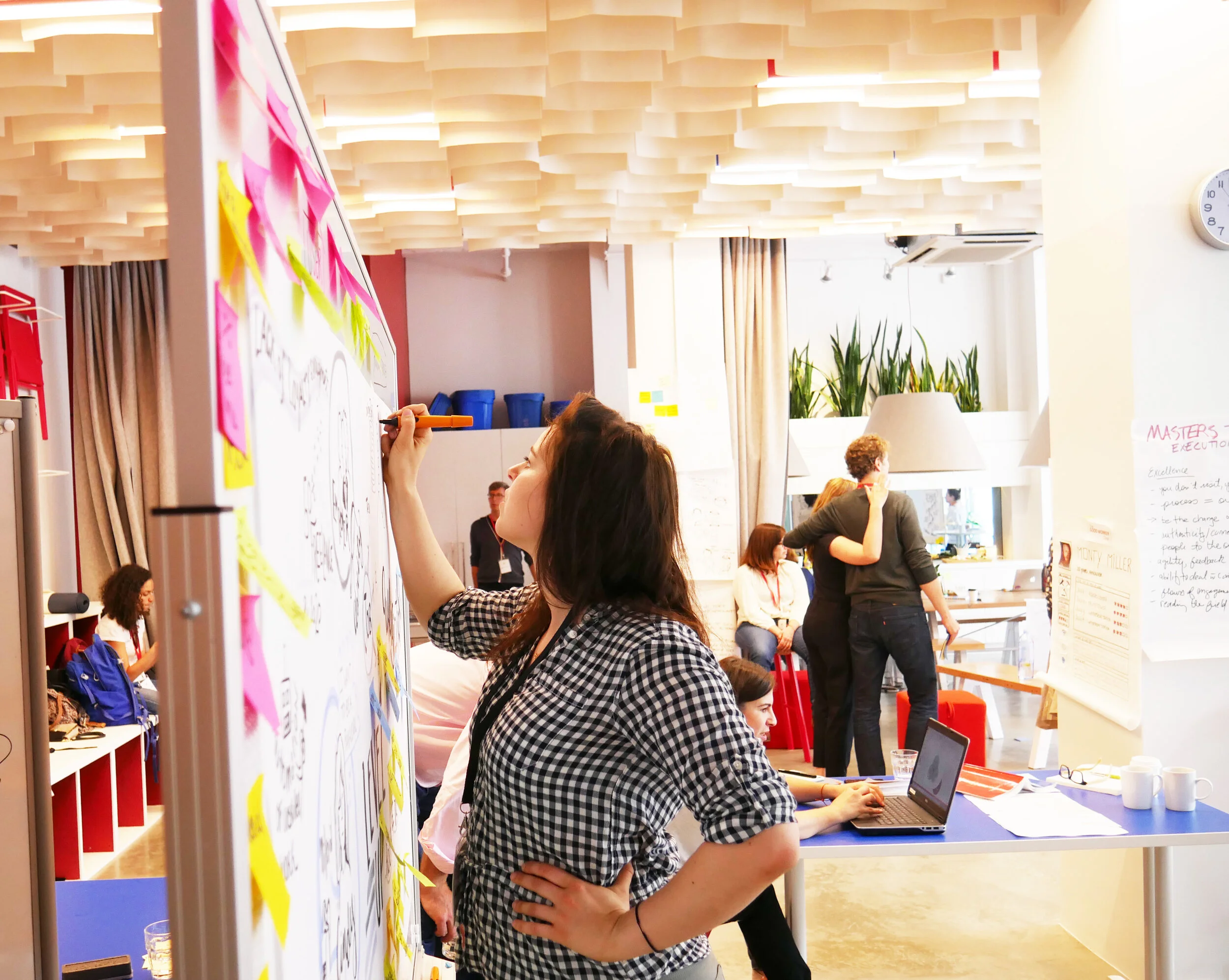
No two of us are the same, but there are certain types of work that sensitive people are generally well suited for. Having said that, having the right skills for a job is not always enough to determine if you’re going to actually be happy doing that work. So I’ll list some work that might be a good fit, but more importantly: I’m going to give you some frame works for thinking about your career that will help you build the criteria to assess your job opportunities.
When we feel shame about our sensitivity
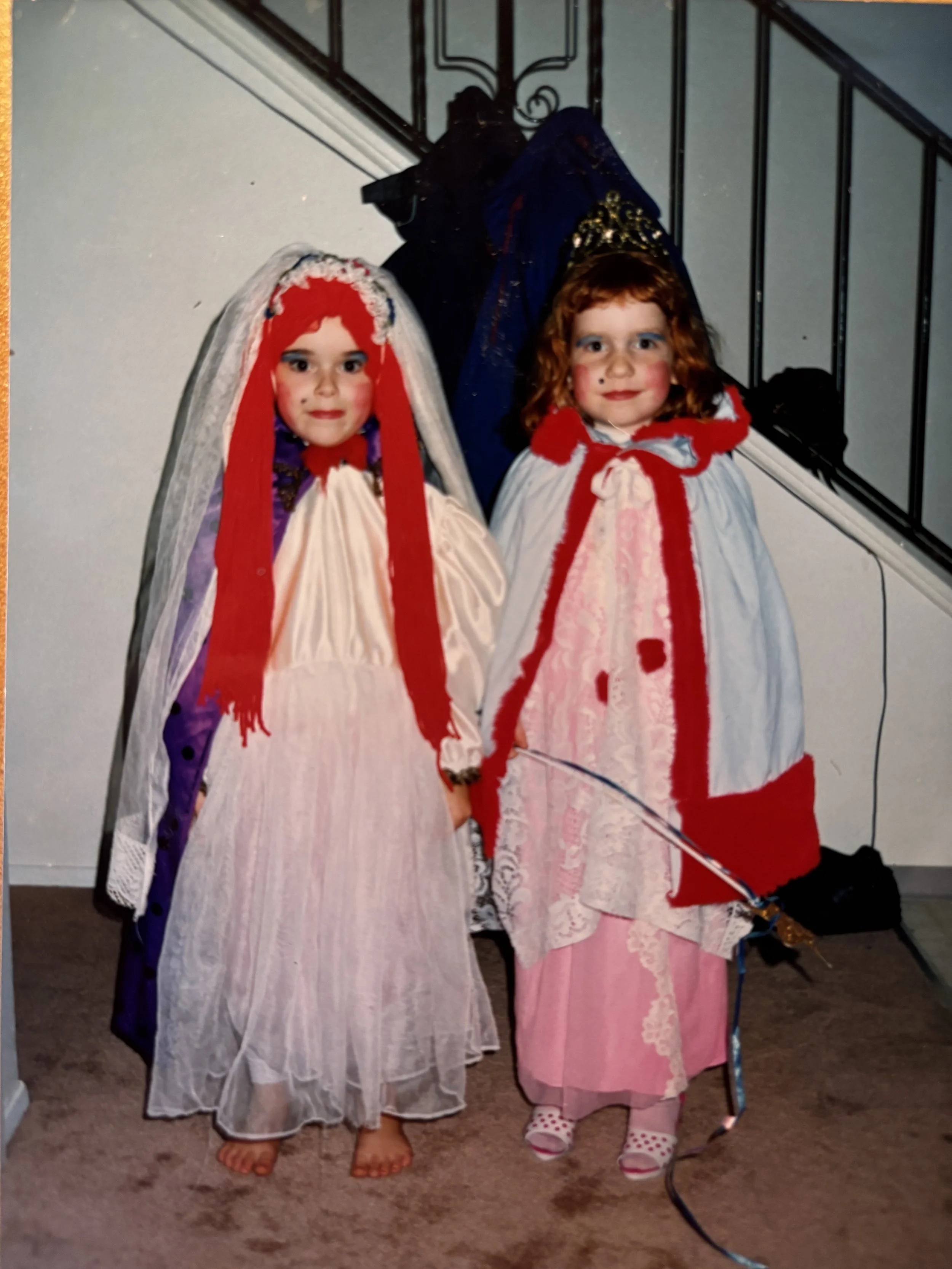
Why do we put masks on? There are lots of reasons, but if you dig into them, you’ll find many of them are sprouting off one big tap root: shame. In this article, we’ll unpack the shame that often accompanies sensitivity. How it gets passed on, and how to stop the cycle.
The Layers of Unmasking
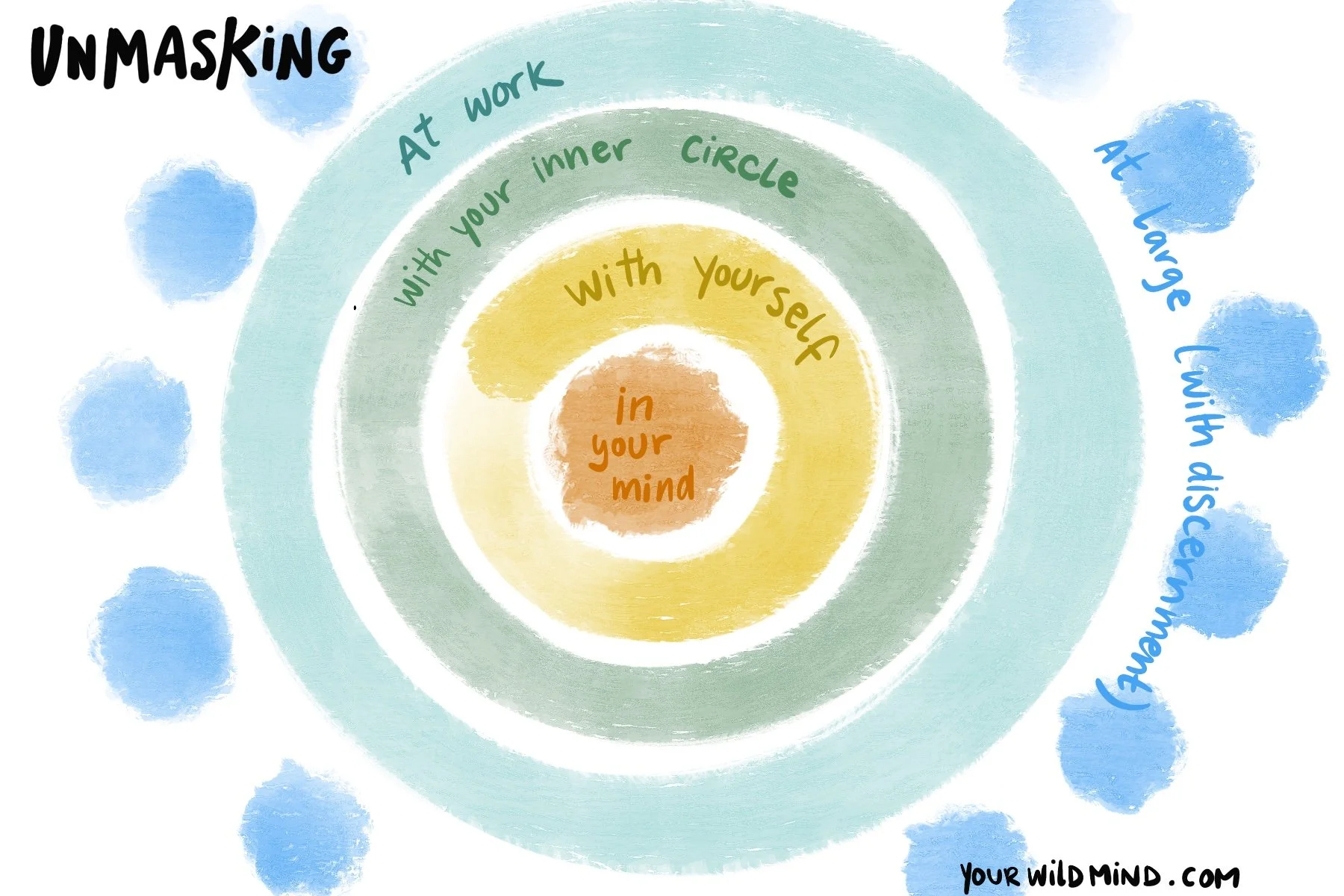
Revealing our true selves is a many layered process. Likely, each layer has layers of its own. As we go through the stages of reclaiming our authenticity, we find tools and strategies that worked and some that didn’t. Some that are still useful, and some we never want to use again. This list isn’t linear, it’s more like a spiral or concentric circle. For example: lots of us have unmasked with really close friends before we felt safe to unmask just in our own company. Here are some of the levels of unmasking…

Sensitive doesn’t always mean quiet
being sensitive does not feel like a tranquil beige room. It feels like big wave surfing. Or a dark and wild forest waiting to be explored. It feels like a roller coaster ride or bungee dive. It’s singing from the mountains tops AND crying on the bathroom floor. As well as everything in between. And maybe some of us come out of that experience feeling like: “gosh, I could really use a tranquil beige room right now.” And if that’s you, great! I celebrate people knowing what they need, and maybe what you need most is respite from this overstimulating world. But I want to open another door just in case…
A Unifying Theory of Sensitivity
And slowly, the puzzle pieces fall in to place. My experiences with chronic illnesses stacking one on top of the other. My journey through navigating trauma that didn't seem nearly as traumatic to others. All the like-minded friends now identifying as introverts, HSPs or receiving their own diagnoses of neuro-divergence. Almost every client who has felt drawn to work with me.
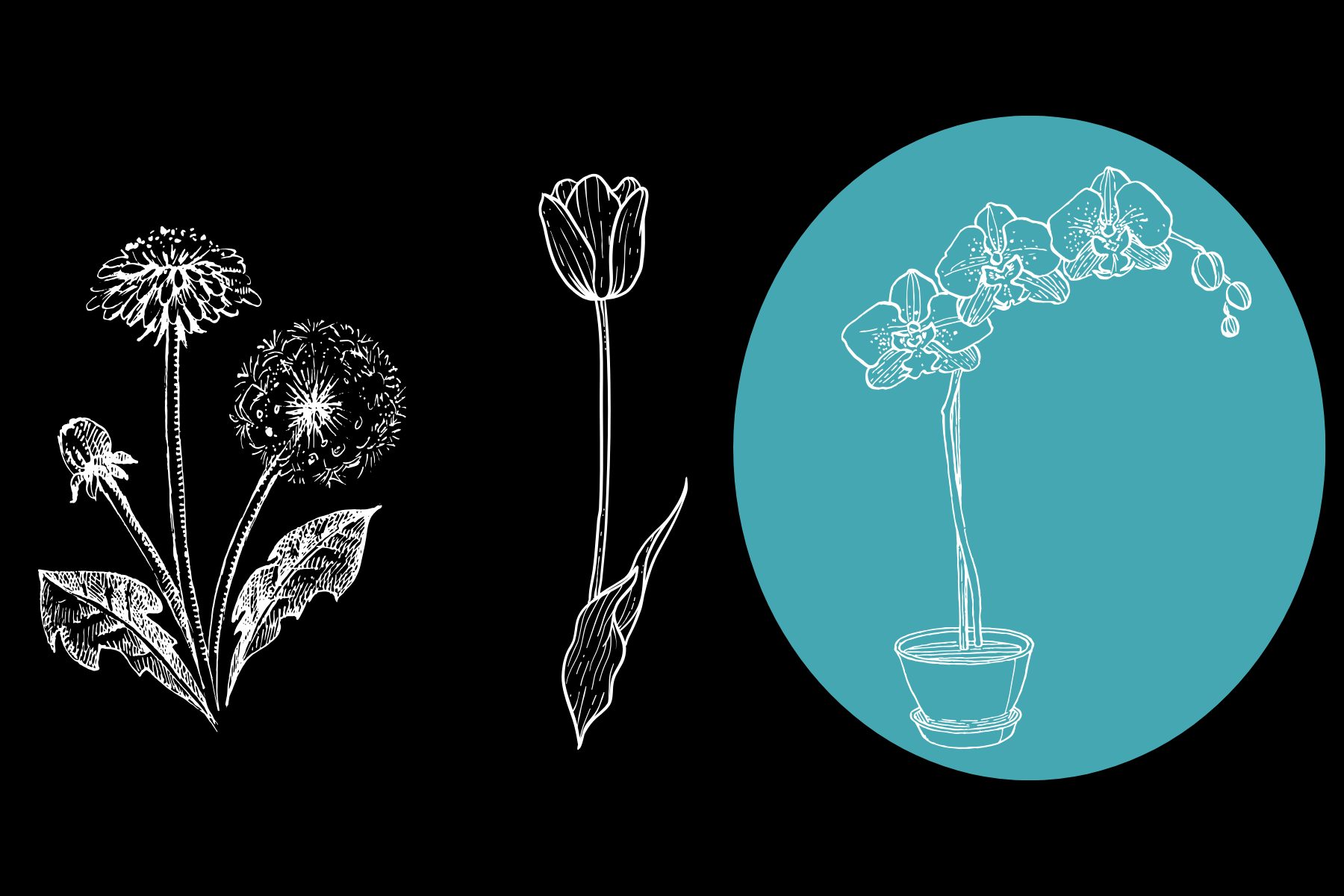
Sensitivity is the thread that runs through all of it. We’re a real life patch of wild orchids…
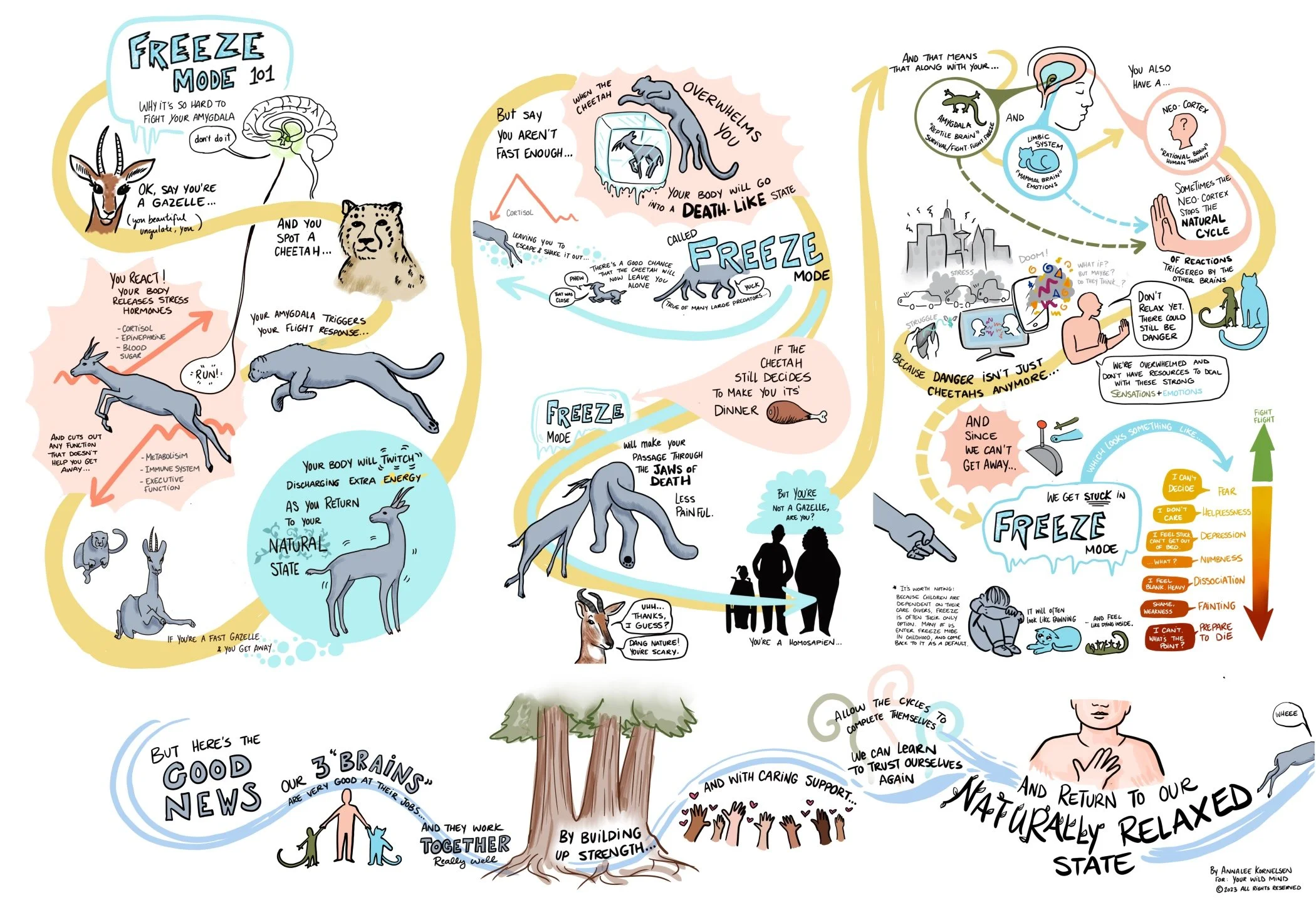
How to get out of the freeze response (When the tips and tricks don’t work).
If you’ve been on social media lately, you might have run in to terms like “Freeze mode” and “functional freeze”. Can I be real with you? When I’m really deep in freeze mode, NONE of the quick tips and tricks from Instagram work for me. Here's what does, complete with a freeze mode 101 infographic.

Courage and confidence: which is more important?
Confidence is a hard goal to aim for because you never really have it until after you initially need it. if you wait until you feel confident to try something you may never get there.
Instead you might try focusing on being courageous.

One of the biggest obstacles to achieving goals, and how to get around it
It’s very human to set a goal without playing it through in our mind and anticipating some of the challenges. I make this mistake all the time. And I’d probably be out of a job if it wasn’t an almost universal trait. Hiring a coach is a good way to go, but starting with these steps will go a long way.
A different way of understanding Neurodiversity
My new way of understanding neurodiversity is that it’s like biodiversity: necessary for a healthy ecosystem.
We’re different in the way that cedar, birch and ponderosa pine are all different kinds of trees. When you cut down cedar and birch and turn them into lumber they have a lot of value. But ponderosa isn’t as easy to use…
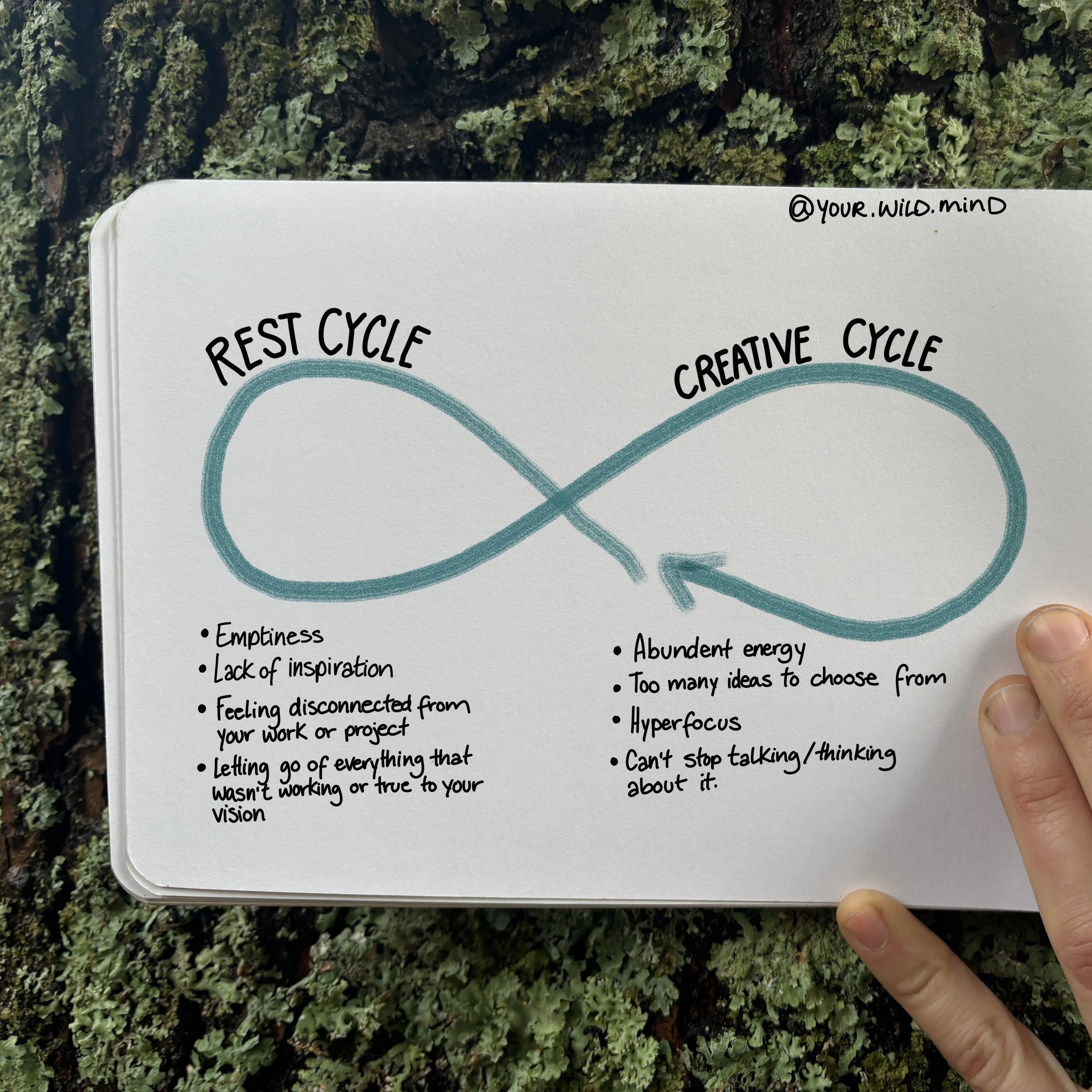
What is a Creative Rest Cycle?
Have you ever been working away at your creative project and felt the inspiration and motivation just drain out of you? Maybe it came on slowly like a leak in a tire, or maybe it knocked the wind out of you like the rug was pulled out from under your feet. Either way,
Welcome to your rest cycle! Here’s how to navigate it.
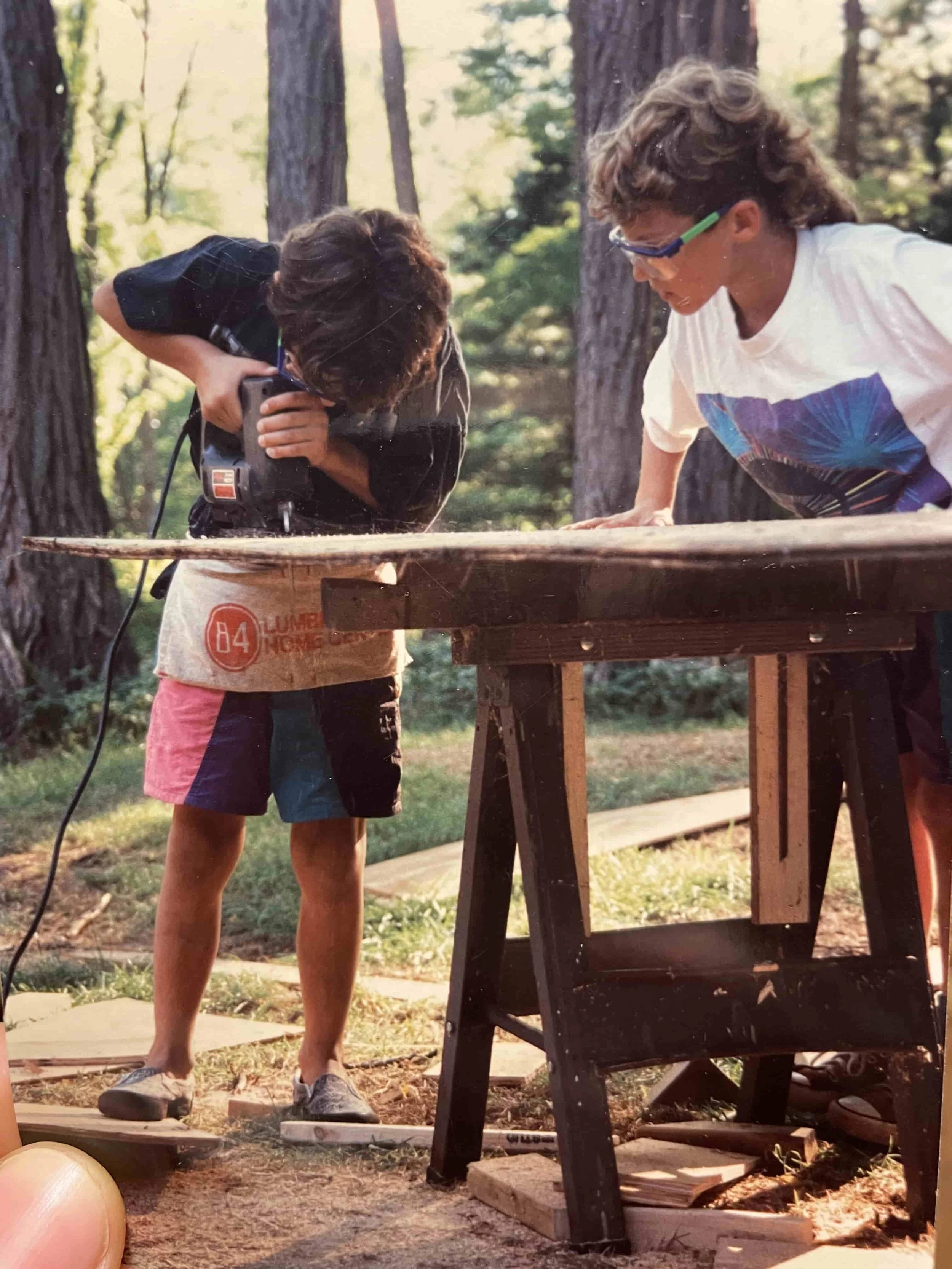
The unexpected difference between work and play
Let’s start with what it’s not. The difference between work and play isn’t effort. Anyone who’s had a hobby (skateboarding, marathon running, golfing, knitting) can tell you that much. Exerting yourself doesn’t make your play feel less playful. Quite the contrary.
And it’s not merely about money either. Making money from play doesn’t automatically turn it into work.
It’s not about what you add. It’s about what you take away.
What is self-trust and how do I get it?
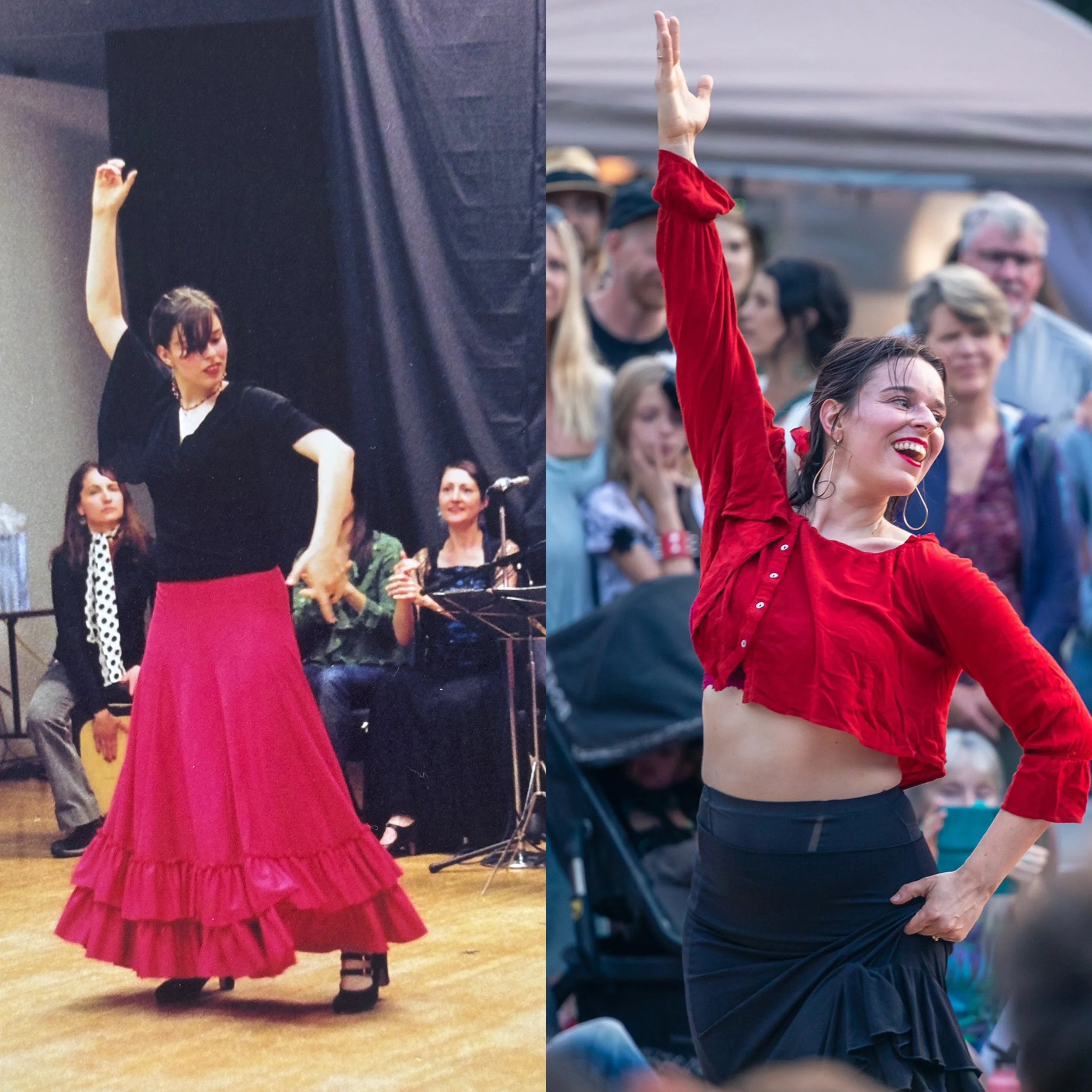
Self-trust is knowing and inhabiting yourself and owning your abilities. It’s respect for yourself as you are, and the natural drive of curiosity that motivates you to grow. It’s also the humility to understand that we are interdependent, and the ability to build trust with others. It’s an open-ended belief in our ability to grow.
Why Imposter Syndrome can be a good sign
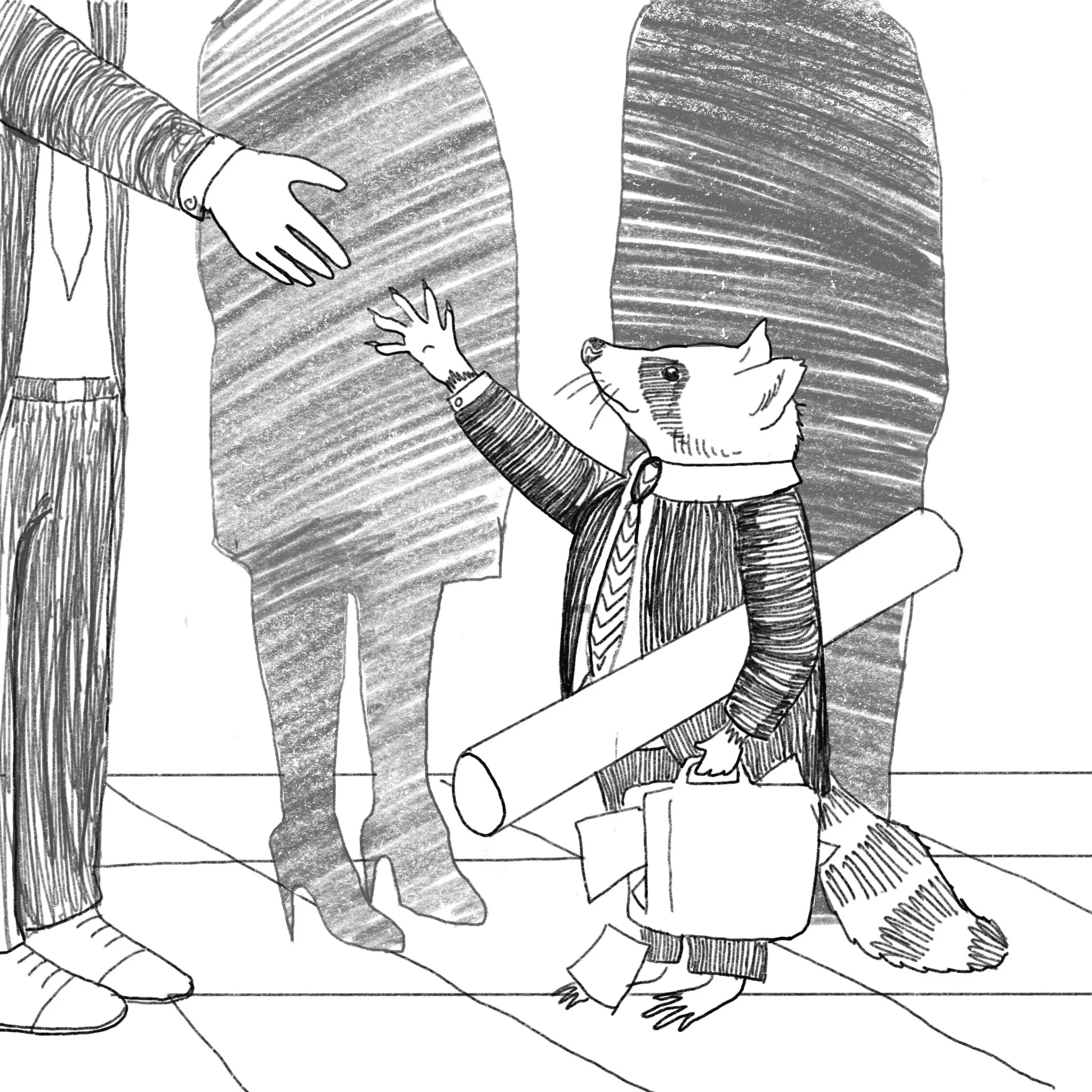
Being an imposter often means we’re breaking trail. It’s a feeling that accompanies exploration, cross-pollination and innovation. It’s disruptive and uncomfortable because change is disruptive and uncomfortable. It means we have something to share and something to learn.

There’s a big difference between knowing it and doing it
This isn’t a sermon on going outside (but also, go outside! It’s nice there! There are cool things like moss and small birds and rivers). But I want to point out the blind spots we have because of our values. I know this is good for me. I believe in it. I espouse it. So it must mean I do it. Only, does it?

How to tame your inner critic
The inner critic has a really important job to do. It has been training for years. The more you push it away the more it will pop up because it is a clever mechanism for keeping you alive.
The critic uses any means to prevent us from being rejected. It berates us to keep us from being berated by others. Bigger, scarier others that used to stand between us and resources back when we were too small to get them for ourselves.
4 ways To have creative flow without consistency
The (almost) universally prescribed cure for creative flourishing is a creative practice. Whether it’s illustrated journalling, morning pages, a dance or music practice. I recommend this a lot, but I’m here to say that it’s not the only answer. I promise you can unlock your creativity and improve at your craft without rigorous creative practice, productivity habits or even being consistent at all.