
4 ways To have creative flow without consistency
The (almost) universally prescribed cure for creative flourishing is a consistent creative practice. Whether it’s illustrated journaling, morning pages (hey Julia Cameron! Thanks for all you do!) a dance or music practice. This is good advice for lots of people, but I’m here to say that it’s not the only answer—pause for a collective sigh of relief from my fellow inconsistent folks. I promise, you can unlock your creativity and improve at your craft without showing up for the same set amount of hours every day for your whole natural life.

Here are some of the benefits and by-products of consistency:
Technique: You are likely (but not guaranteed) to improve technically the more you do something.
Volume: You are going to make a lot of stuff. And because you’ll have made so much of it, some of it is bound to be good. (think of Bob Dylan)
Confidence/ mindset: When you improve technically, and create a lot of stuff, you build familiarity and confidence in your ability to go from idea to tangible thing. If you’ve built technique and muscle memory, you’ve also built resilience against nervousness and crisis of confidence. You have something wired in that you can fall back on.
So how do we get those benefits without grinding through boredom and turning our love of creating into drudgery?
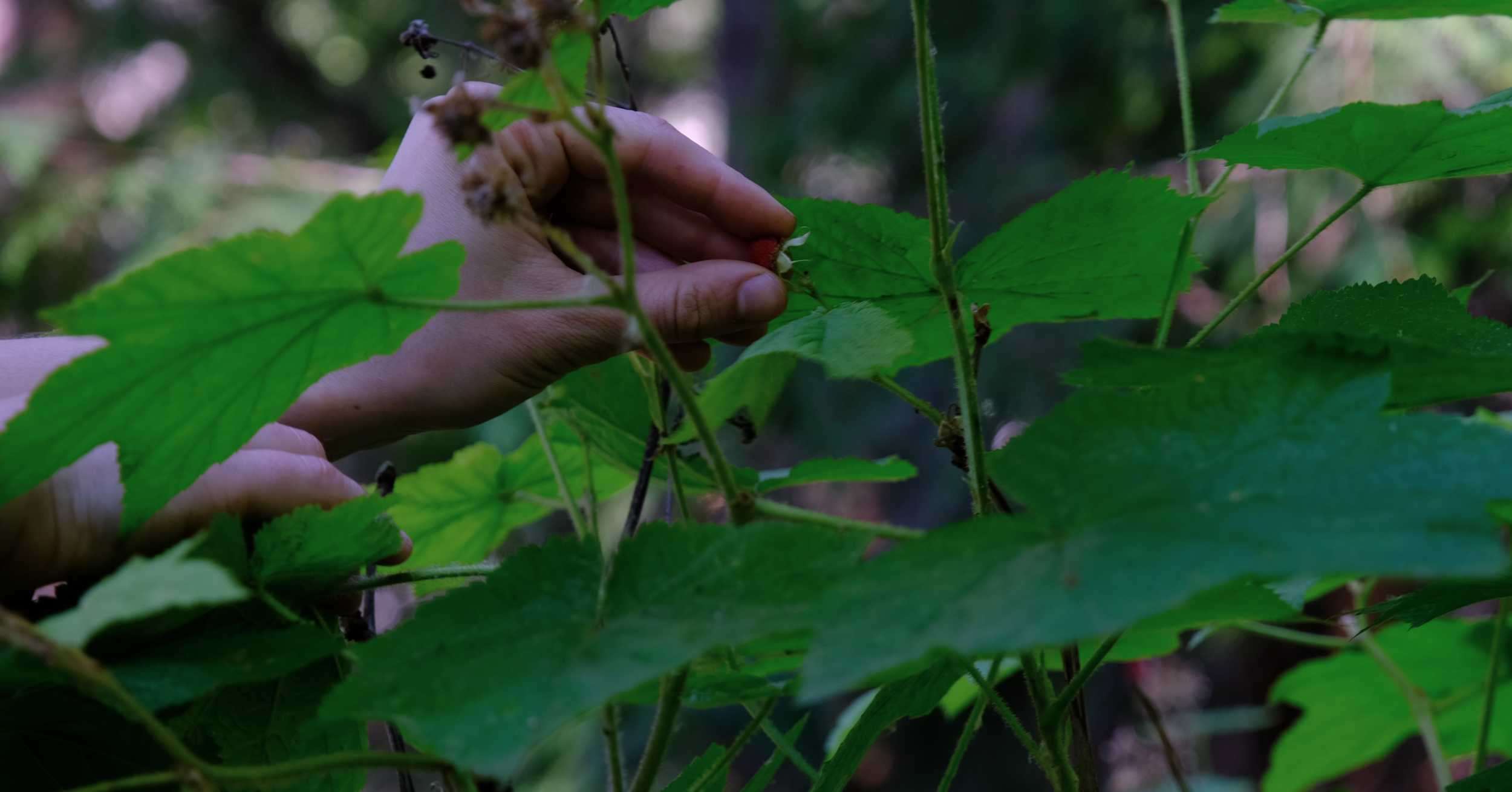
1) Look at your whole life as your creative practice. Make lots of different stuff whenever you have the urge. Don’t think in terms of the volume of one activity. Rather, think of the collectivity of your life and everything that it is made of. Start noticing the art of it and treating it with respect. (volume, confidence/mindset)
2) Set goals based on skill acquisition rather than time spent practicing. What do you want to be able to do? Why? Being intentional about what you wire in through practice builds more confidence (I know I can do that thing) and feels more meaningful. (technique, confidence/mindset)
3)Use your imagination. Visualize. You don’t always have to be “doing”. Sometimes staring out a window and walking through an inspiration, song or a bit of choreography is more helpful than blindly practicing. (technique, confidence/mindset)
4) Make space for inspiration. Don’t just build skills. They are important to the extent that they allow you to express your vision and inspiration. But skills are only part of the equation. If you’re feeling parched for inspiration, when was the last time you filled up on what inspires or excites you? Saw a live show? Went to a museum? Slipped into the woods? Or better yet, when was the last time you did nothing at all?

Are you ready to change your relationship to creative work? I’m here for you.