
Why Imposter Syndrome can be a good sign
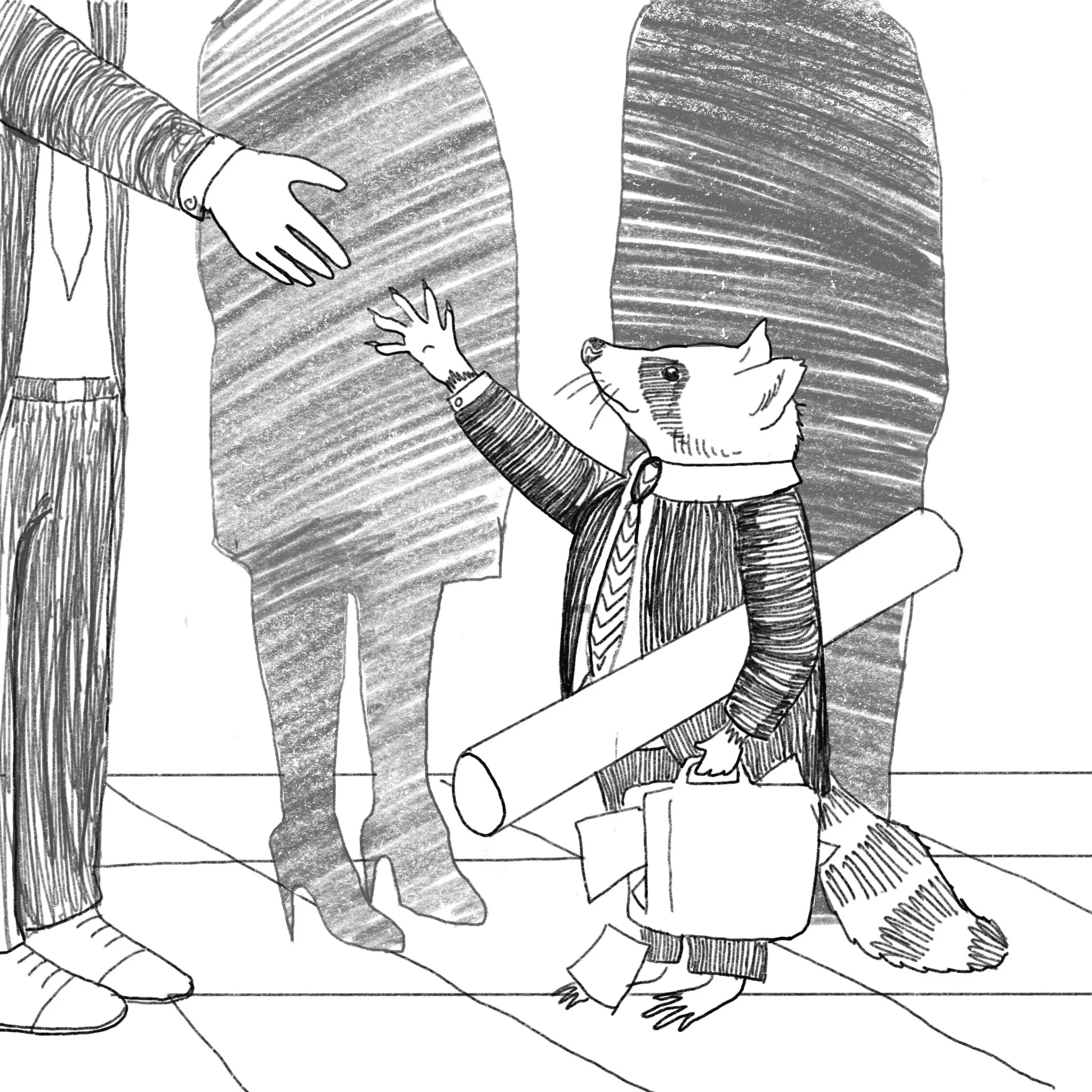
The Imposter By Annalee Kornelsen. All rights reserved
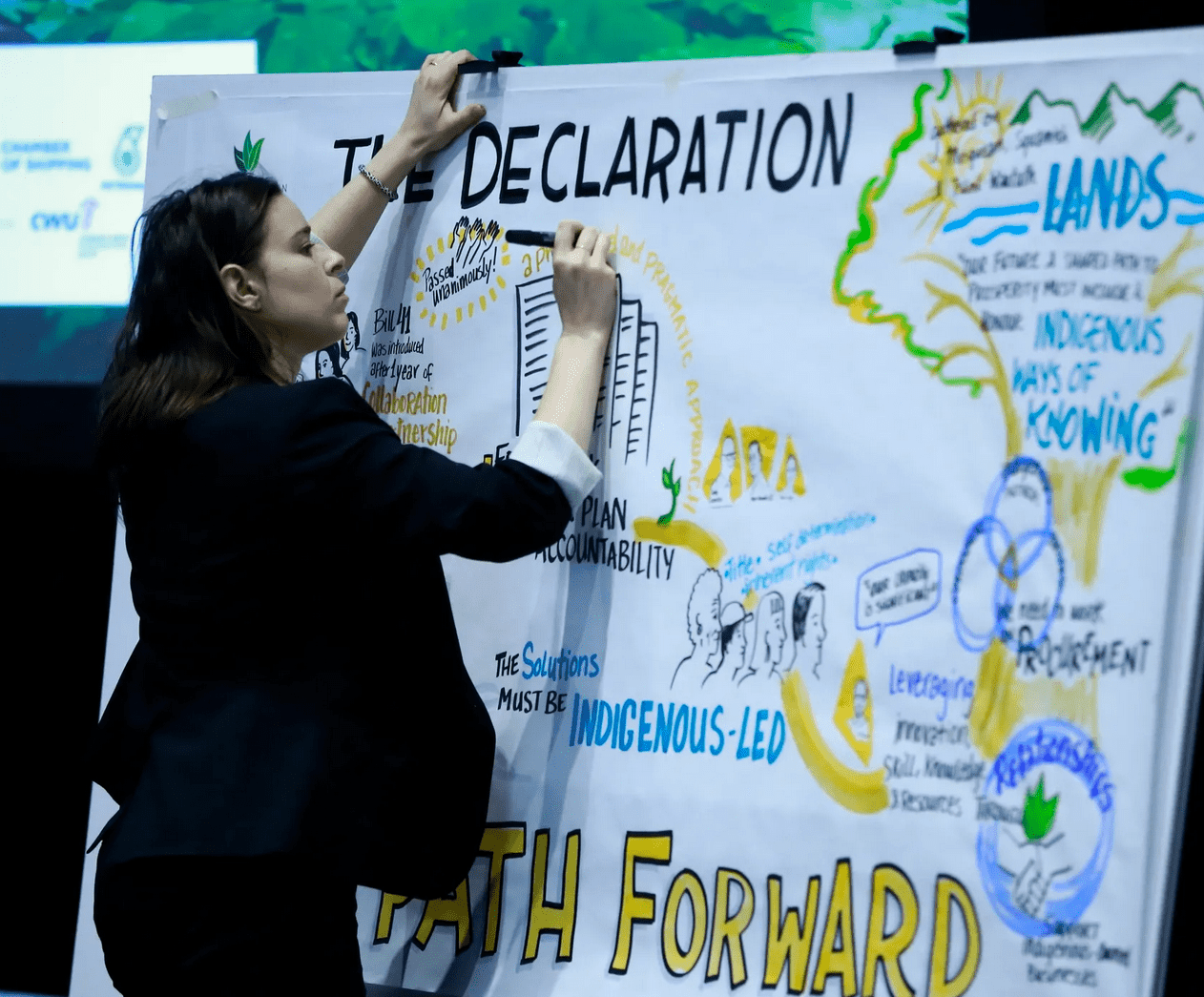
For those of you who don’t know: I’ve been a graphic recorder for close to a decade. That means my job has been to walk into conference centres and board rooms all over the world and live-map their conversations in drawing form. Like a live graphic novel. This means two things:
1) The people I’m drawing for are experts at the top of their field
2) I’m not an expert in their field. I’m an expert at drawing.
“I don’t belong here” is a feeling that is deeply, viscerally familiar to me. Like, really? I’m going to walk into your big human genetics symposium (for example) and translate your Ph.D.-level research (which I’ve only just heard about btw) into pretty drawings. Oh. And you're going to pay me. Being an artist in very professional spaces has often made me feel like a raccoon in a suit. Like some feral creature that snuck in the back door. At first, it was painful, then it was funny, and now I actually relish the feeling. Because I know that….
my imposter syndrome is actually a sign that the place I’m in desperately needs my voice. It means I’m at the edge of my comfort zone, my clients are at the edge of theirs, and we’re reaching across.
Being an imposter often means we’re breaking trail. It’s a feeling that accompanies exploration, cross-pollination and innovation. It’s disruptive and uncomfortable because change is disruptive and uncomfortable. It means we have something to share and something to learn.
If we look at my graphic recording example again, my job is to translate knowledge into a visual format. This is so that it can be more accessible to other audiences. Not knowing the ins and outs of the topic is actually an asset in this case. Operating in your own silo with its own jargon and trying to talk to imagine what it’s like to not know what you know can be a bit like trying to look at your own eyeball without a mirror. I’m a mirror. The visuals build a bridge between the knowledge keeper and the audience.
The truth of the matter is visuals belong in a meeting as much as language and notes do. You probably do belong in that place where you feel like a fish out of water. The fact that you feel like you don’t is part of a greater loss of connection. We’re meant to go to the shores of our identity from time to time and experience wonder.
That’s a major part of the work of a creative. So that means imposter syndrome is part of the job description. But it doesn’t have to feel bad. We can describe it in other ways.”
So maybe we get to relax and enjoy the adventure, knowing that we’ll all come away from it richer in experience. Maybe there’s some mischievous delight in being a raccoon in a suit and disrupting the “way things are supposed to be”. And then after you’ve had your fill, go home and curl up under the duvet. A racoon’s still gotta be a raccoon, after all.
xo Annalee
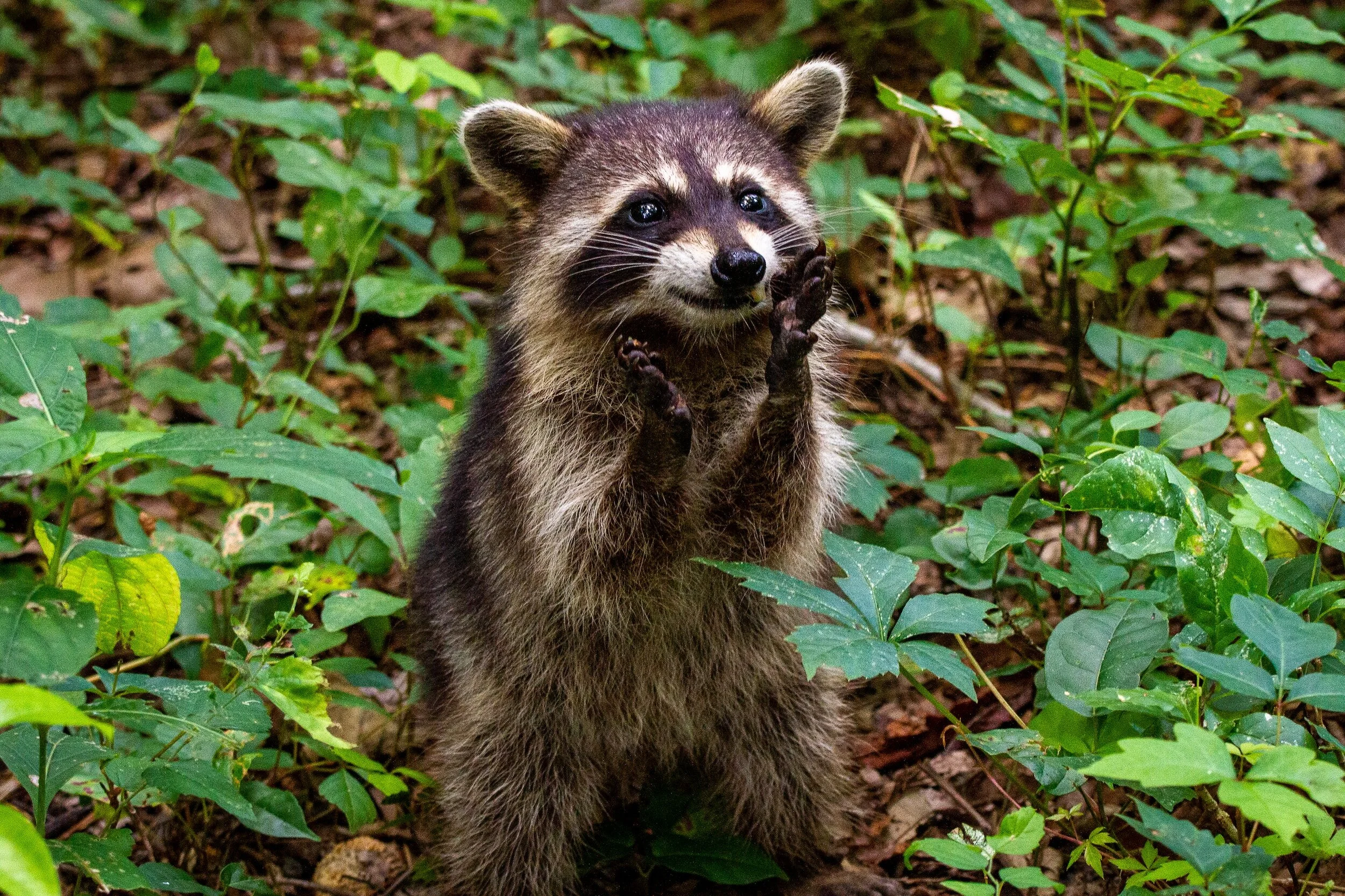
PS: Yes! You can have coaching that honours your inner raccoon. Click here to learn more.