The wild-Mind Blog
On burnout, neurodivergence, and building a life that fits.
Types of Burnout (it's not just work stress) — Every Category Explained, and Why They Overlap
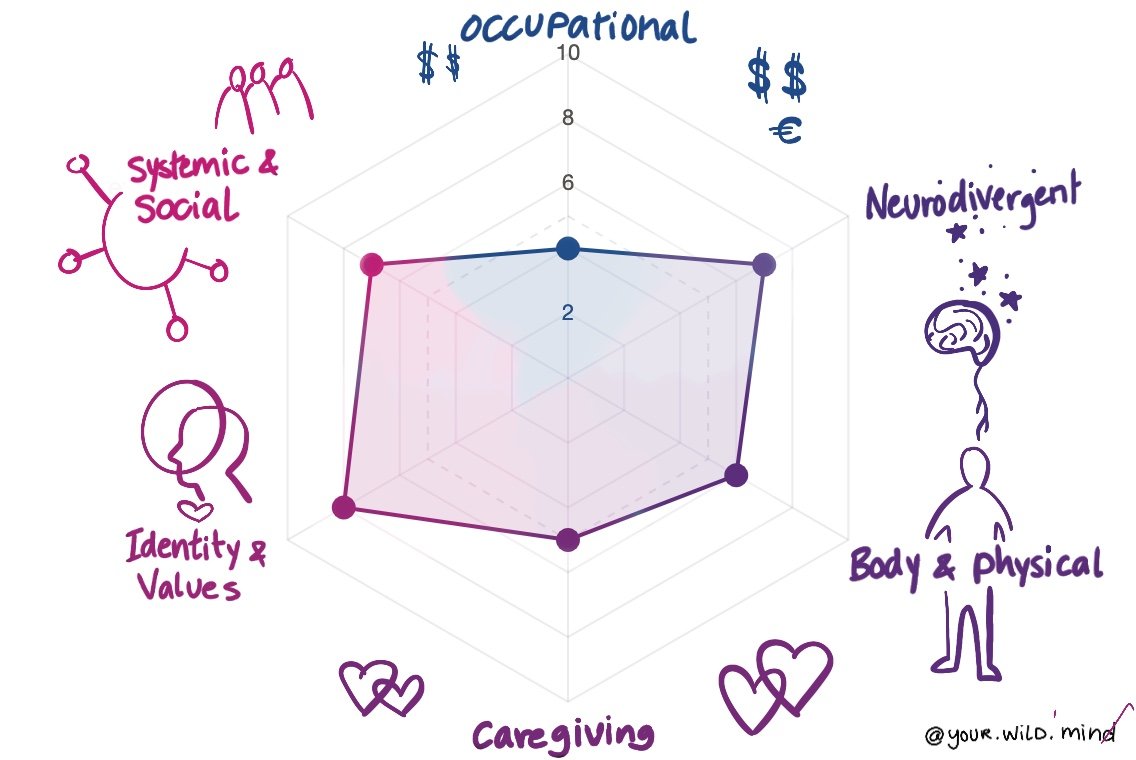
Burnout. Everyone’s talking about it, but the conversation almost always centres on work stress. Not only does that leave a lot of people’s experiences out, but it isn’t even a complete picture of work related burnout. Even if work stress is the primary driver of your exhaustion, stress rarely comes in single servings. Lets dive in to the different kinds of burnout and why distinguishing between them matters.
Burnout recovery vs. burnout prevention: why they're different
Burnout recovery and burnout prevention go hand in hand. Of course, you want both if you don’t want to simply keep cycling from burnout to burnout. But there are a few key differences that are important to understand and will help you do both more effectively.
Why rest alone doesn’t fix burnout
Rest is vital for burnout recovery, and it’s only part of the solution.
If we rest and recover, but then go back to the exact same life that burned us out in the first place, then what we’re really doing is creating a cycle. A pattern where we go from burnout to burnout. Fill and empty. Fill and empty. Here’s how to exit that cycle.
Jobs for Highly Sensitive People
No two of us are the same, but there are certain types of work that sensitive people are generally well suited for. Having said that, having the right skills for a job is not always enough to determine if you’re going to actually be happy doing that work. So I’ll list some work that might be a good fit, but more importantly: I’m going to give you some frame works for thinking about your career that will help you build the criteria to assess your job opportunities.
When we feel shame about our sensitivity
Why do we put masks on? There are lots of reasons, but if you dig into them, you’ll find many of them are sprouting off one big tap root: shame. In this article, we’ll unpack the shame that often accompanies sensitivity. How it gets passed on, and how to stop the cycle.
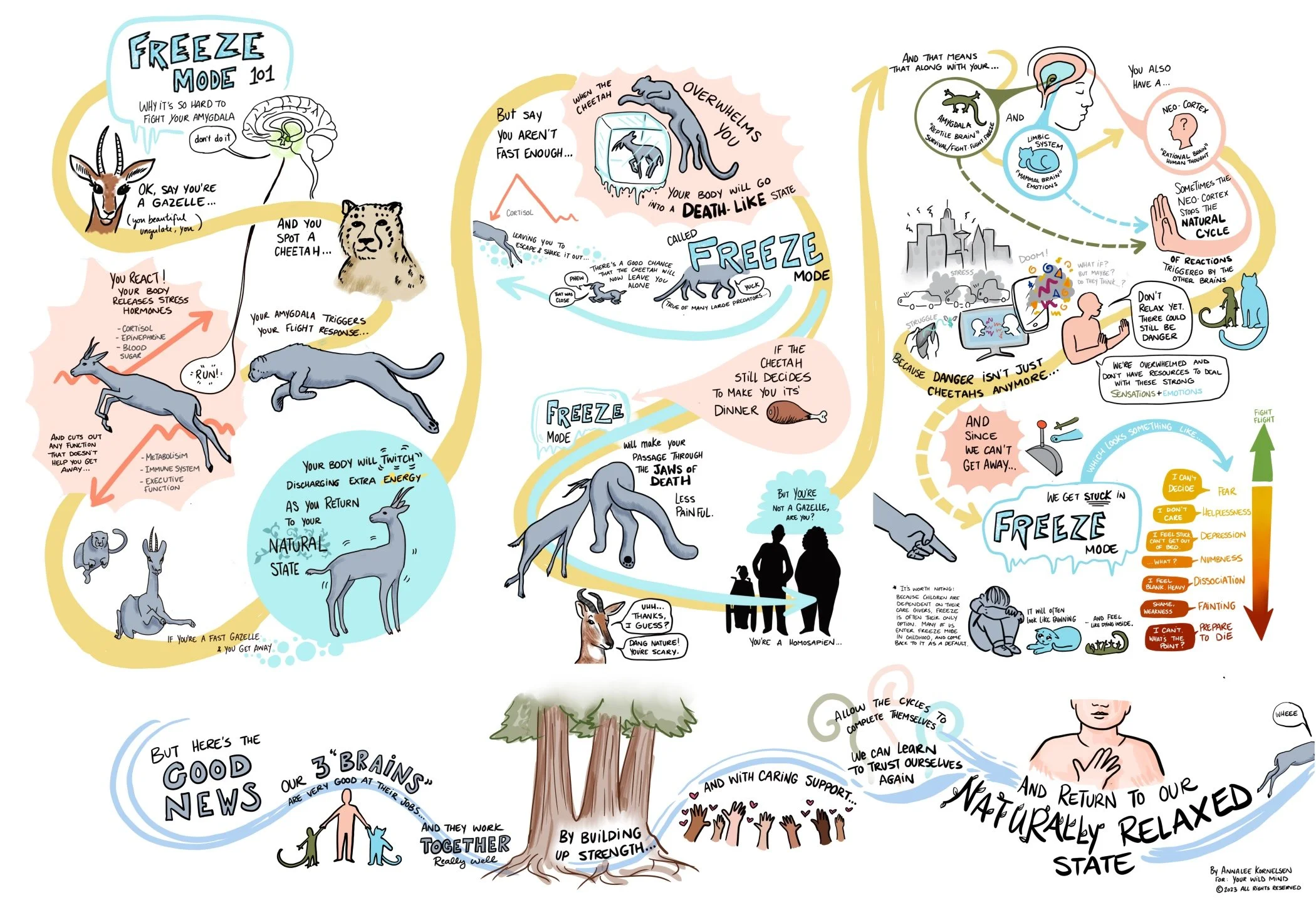
How to get out of the freeze response (When the tips and tricks don’t work).
If you’ve been on social media lately, you might have run in to terms like “Freeze mode” and “functional freeze”. Can I be real with you? When I’m really deep in freeze mode, NONE of the quick tips and tricks from Instagram work for me. Here's what does, complete with a freeze mode 101 infographic.
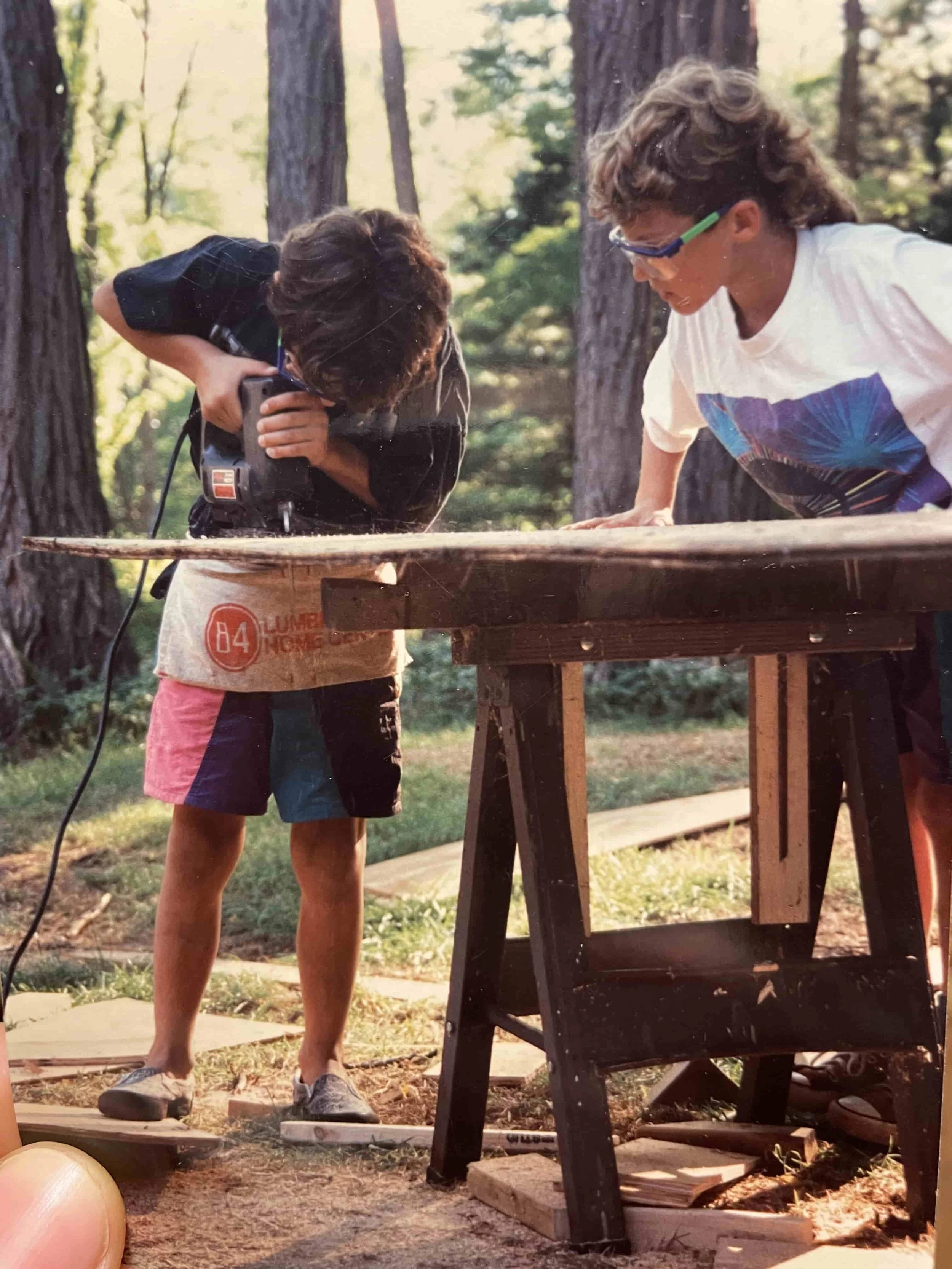
The unexpected difference between work and play
Let’s start with what it’s not. The difference between work and play isn’t effort. Anyone who’s had a hobby (skateboarding, marathon running, golfing, knitting) can tell you that much. Exerting yourself doesn’t make your play feel less playful. Quite the contrary.
And it’s not merely about money either. Making money from play doesn’t automatically turn it into work.
It’s not about what you add. It’s about what you take away.

There’s a big difference between knowing it and doing it
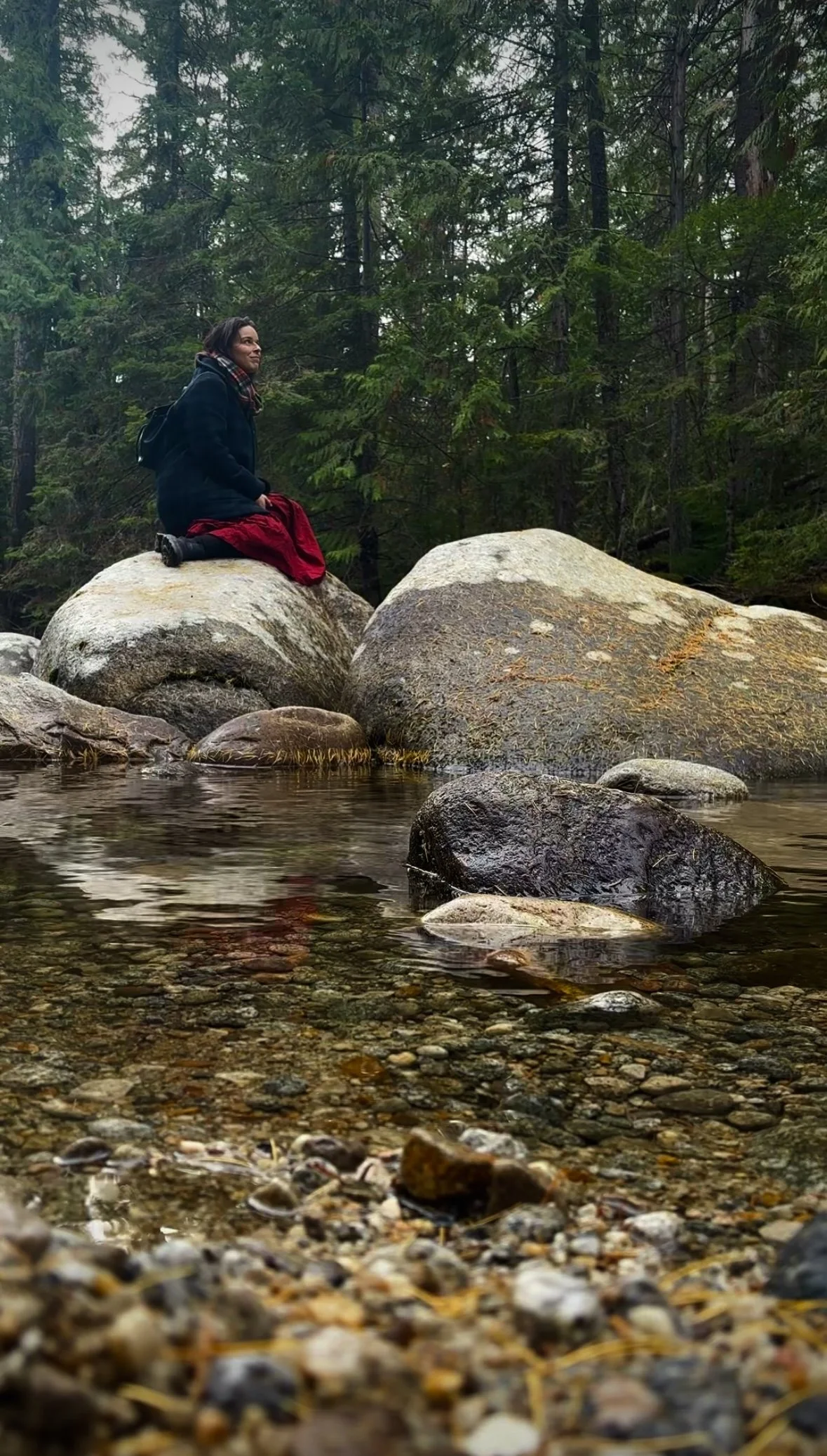
This isn’t a sermon on going outside (but also, go outside! It’s nice there! There are cool things like moss and small birds and rivers). But I want to point out the blind spots we have because of our values. I know this is good for me. I believe in it. I espouse it. So it must mean I do it. Only, does it?
4 ways To have creative flow without consistency
The (almost) universally prescribed cure for creative flourishing is a creative practice. Whether it’s illustrated journalling, morning pages, a dance or music practice. I recommend this a lot, but I’m here to say that it’s not the only answer. I promise you can unlock your creativity and improve at your craft without rigorous creative practice, productivity habits or even being consistent at all.
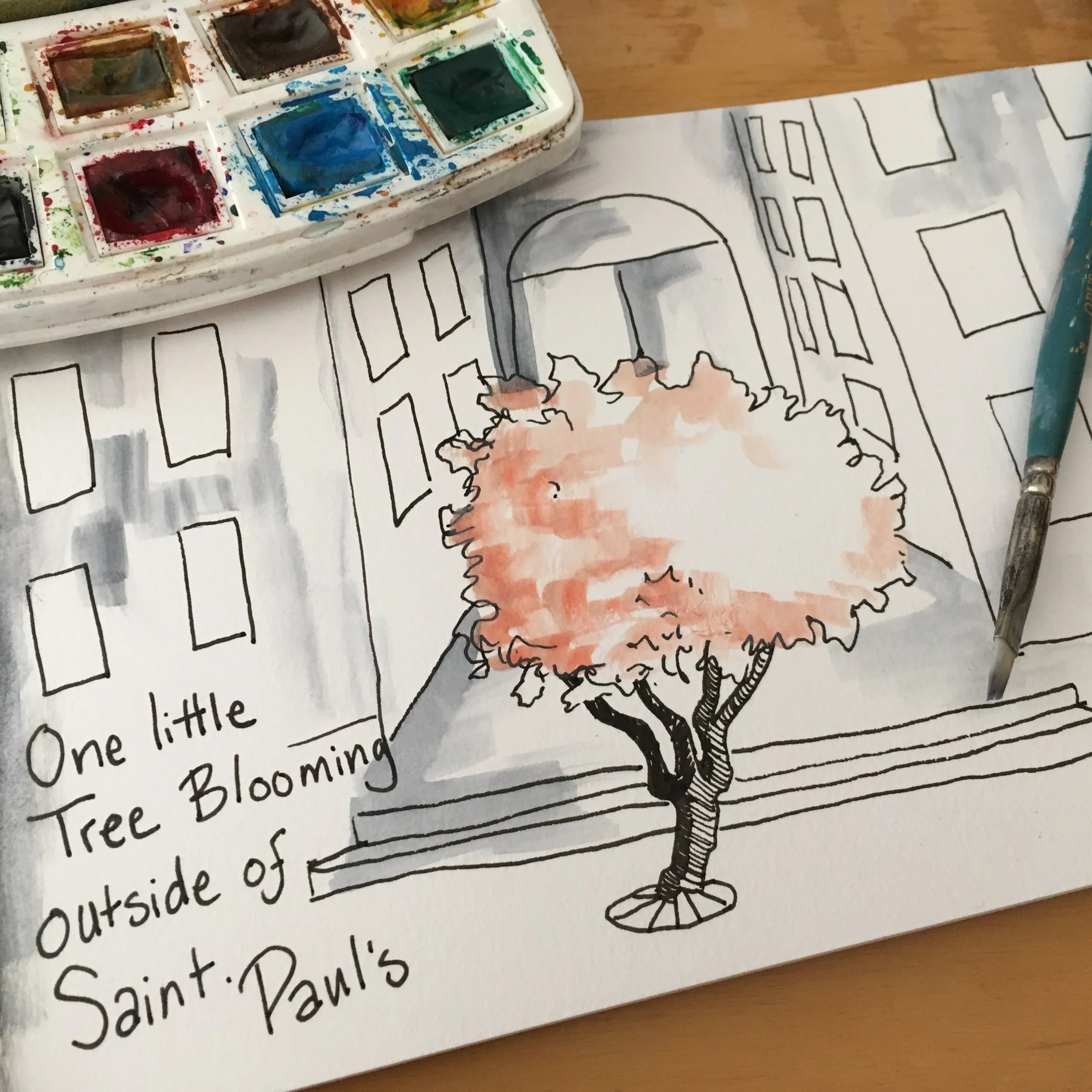
How to connect with nature in the city
I frame my work around creativity in the context of the abundance of nature. If the natural world is so abundant and diverse then it means that you, as part of the natural world are adding to its diversity and subject to its abundance the same as any other creature.
Ok, cool you might say. But what if I don’t live near nature? Do I have to move to the (so-called)Canadian woods or the jungles of Bali to feel this connection?
No. You don’t. And I’ll tell you why.
Don’t skip this step in your big life transitions.
I’m forever amazed at how quickly people expect to bounce back after a big life change. I often hear my clients say: “I left my corporate job/my marriage/school/moved across the country/retired a while ago, but I don’t feel any desire to work on my business/dive into studies/get creative in the studio. What’s wrong with me?”
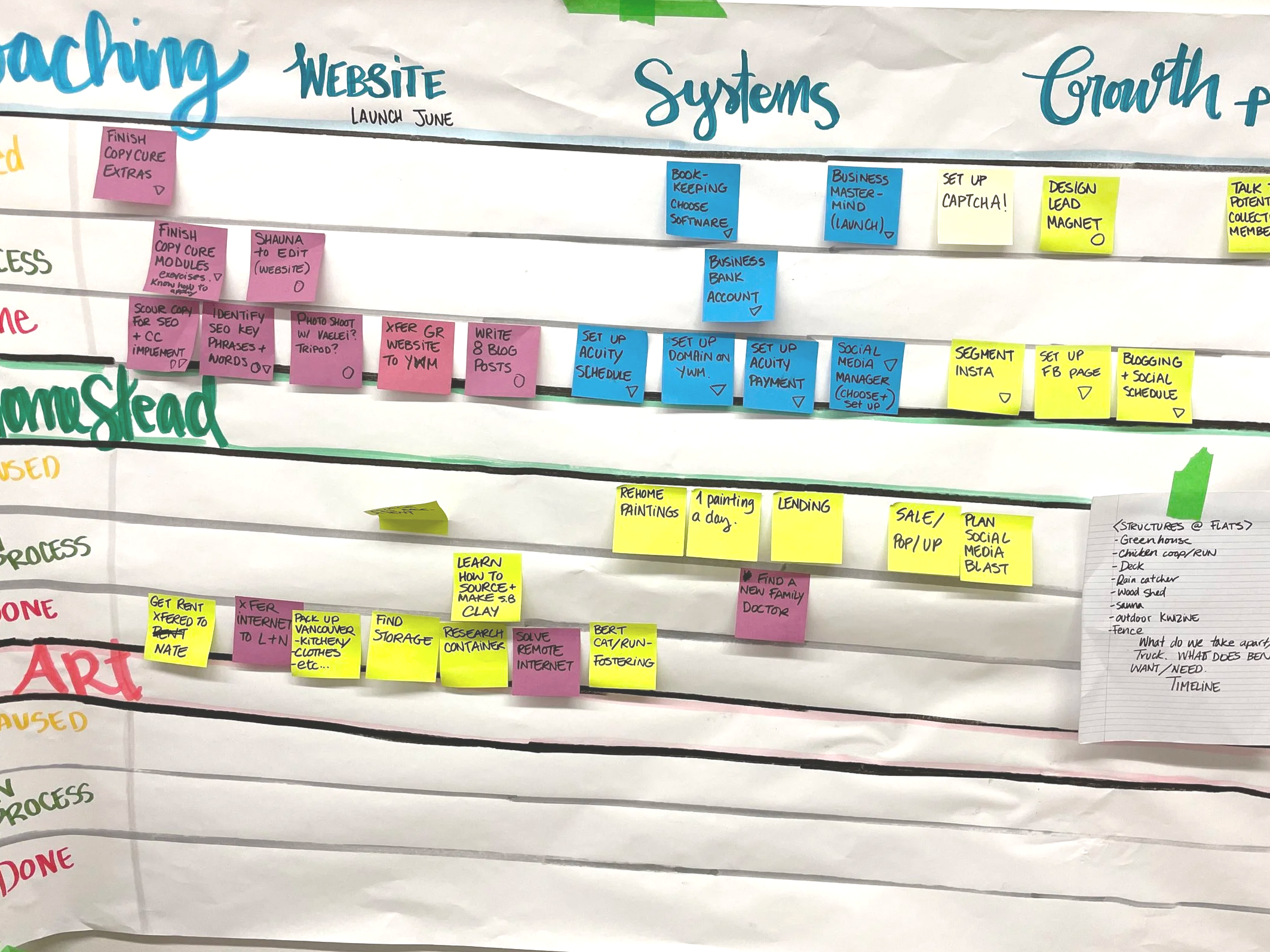
Can’t keep a schedule? It’s not your fault. Here’s what can help.
At its core, calendar phobia is often about deconditioning from a system that separates us from the flow of our needs and desires. We might feel like we are at school raising our hand to be allowed to use the bathroom and fighting our impulses and urges to run around or rest. If you’ve only known scheduling as a tool of the systems that felt oppressive, then it’s not going to feel comfortable to start putting things in your calendar.

What if you don’t make decisions the way you think you do?
Recently I’ve noticed people don’t always make decisions in the way they think they do.
It looks like they are deciding. They’re talking about it, they’re weighing pros and cons. They’re hesitating. They’re doubting themselves. But ultimately, The decision has already been made, They’re just convincing themselves of it.