The wild-Mind Blog
On burnout, neurodivergence, and building a life that fits.
A Unifying Theory of Sensitivity
And slowly, the puzzle pieces fall in to place. My experiences with chronic illnesses stacking one on top of the other. My journey through navigating trauma that didn't seem nearly as traumatic to others. All the like-minded friends now identifying as introverts, HSPs or receiving their own diagnoses of neuro-divergence. Almost every client who has felt drawn to work with me.
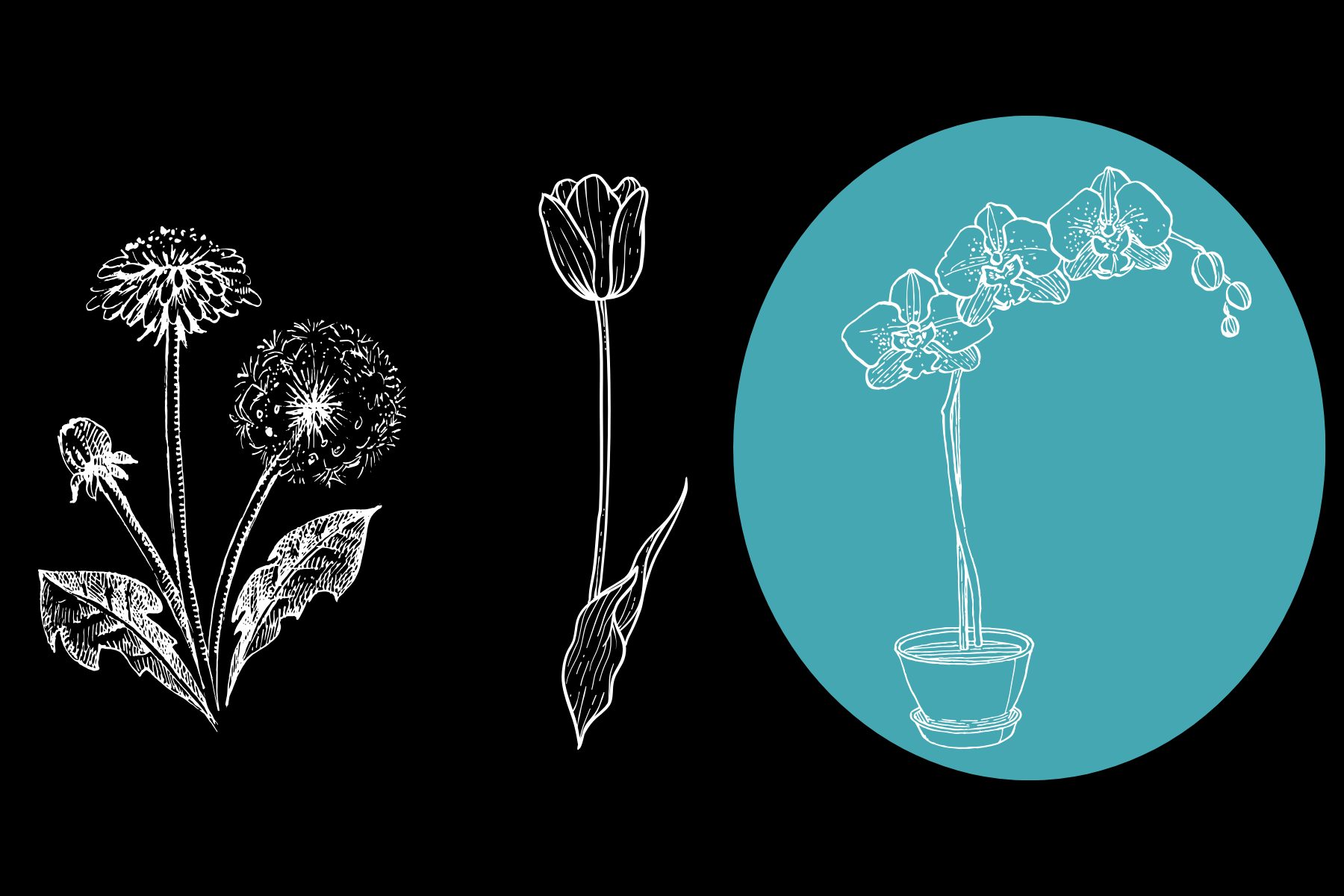
Sensitivity is the thread that runs through all of it. We’re a real life patch of wild orchids…
A different way of understanding Neurodiversity
My new way of understanding neurodiversity is that it’s like biodiversity: necessary for a healthy ecosystem.
We’re different in the way that cedar, birch and ponderosa pine are all different kinds of trees. When you cut down cedar and birch and turn them into lumber they have a lot of value. But ponderosa isn’t as easy to use…
The unexpected difference between work and play
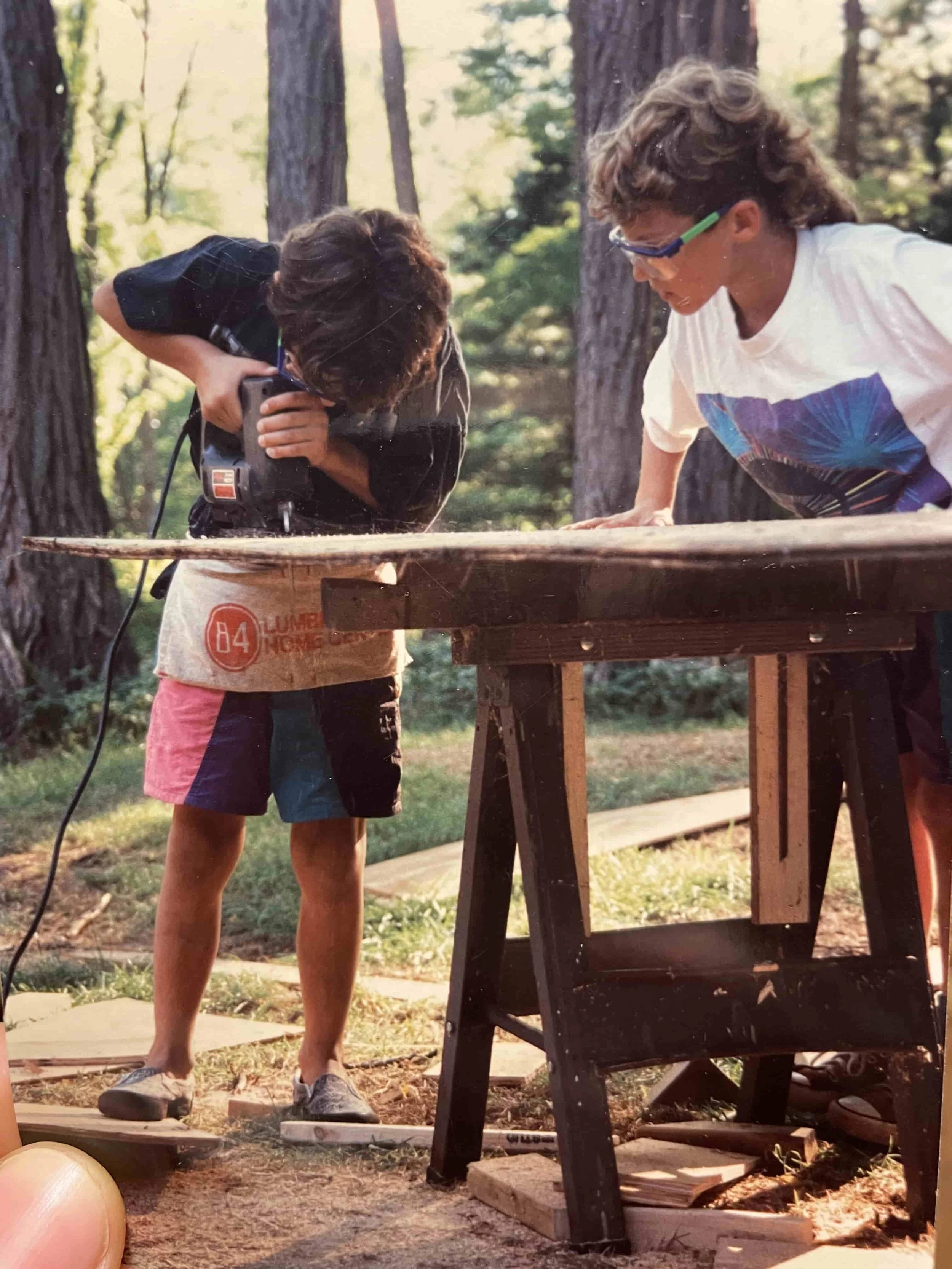
Let’s start with what it’s not. The difference between work and play isn’t effort. Anyone who’s had a hobby (skateboarding, marathon running, golfing, knitting) can tell you that much. Exerting yourself doesn’t make your play feel less playful. Quite the contrary.
And it’s not merely about money either. Making money from play doesn’t automatically turn it into work.
It’s not about what you add. It’s about what you take away.
What is self-trust and how do I get it?
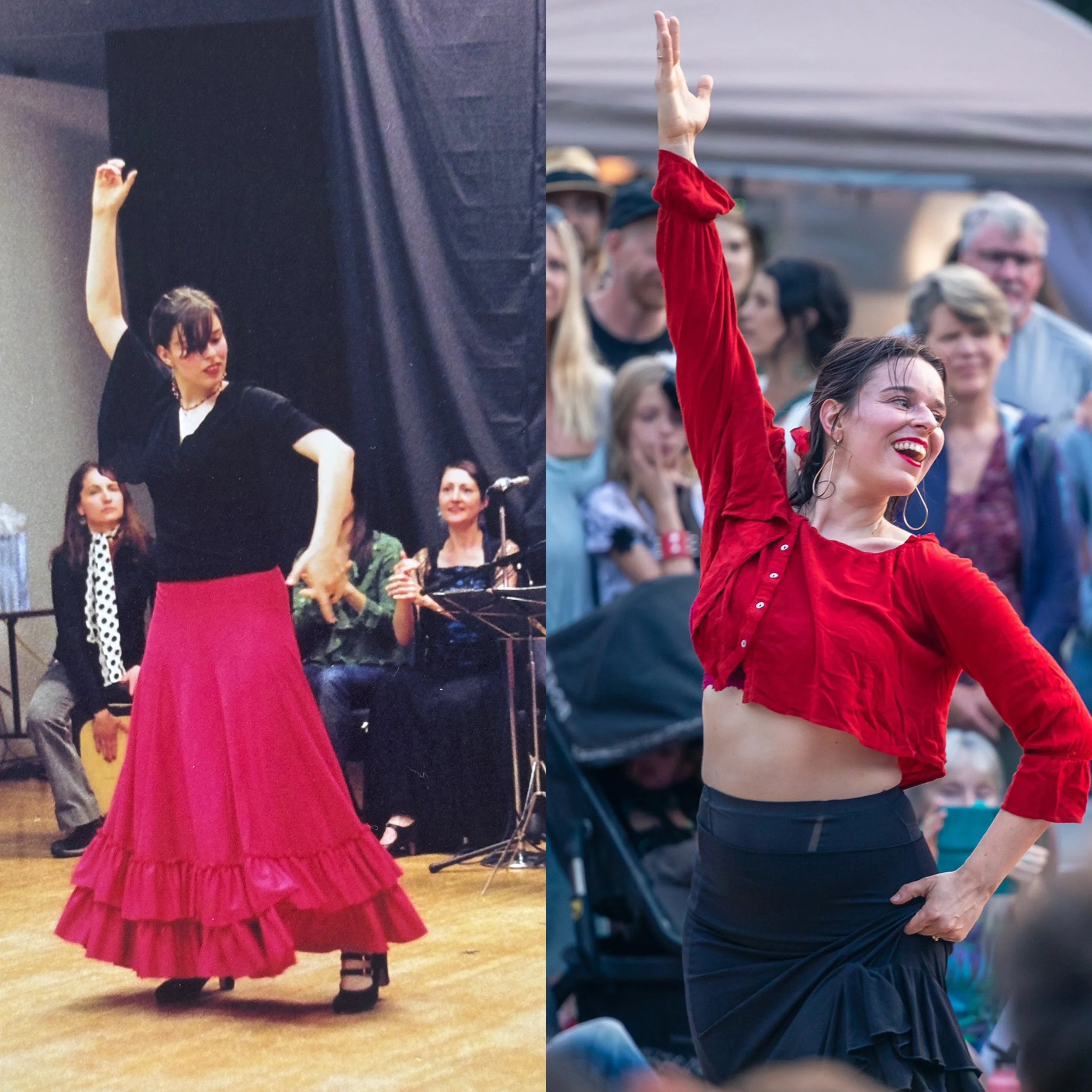
Self-trust is knowing and inhabiting yourself and owning your abilities. It’s respect for yourself as you are, and the natural drive of curiosity that motivates you to grow. It’s also the humility to understand that we are interdependent, and the ability to build trust with others. It’s an open-ended belief in our ability to grow.
Why Imposter Syndrome can be a good sign
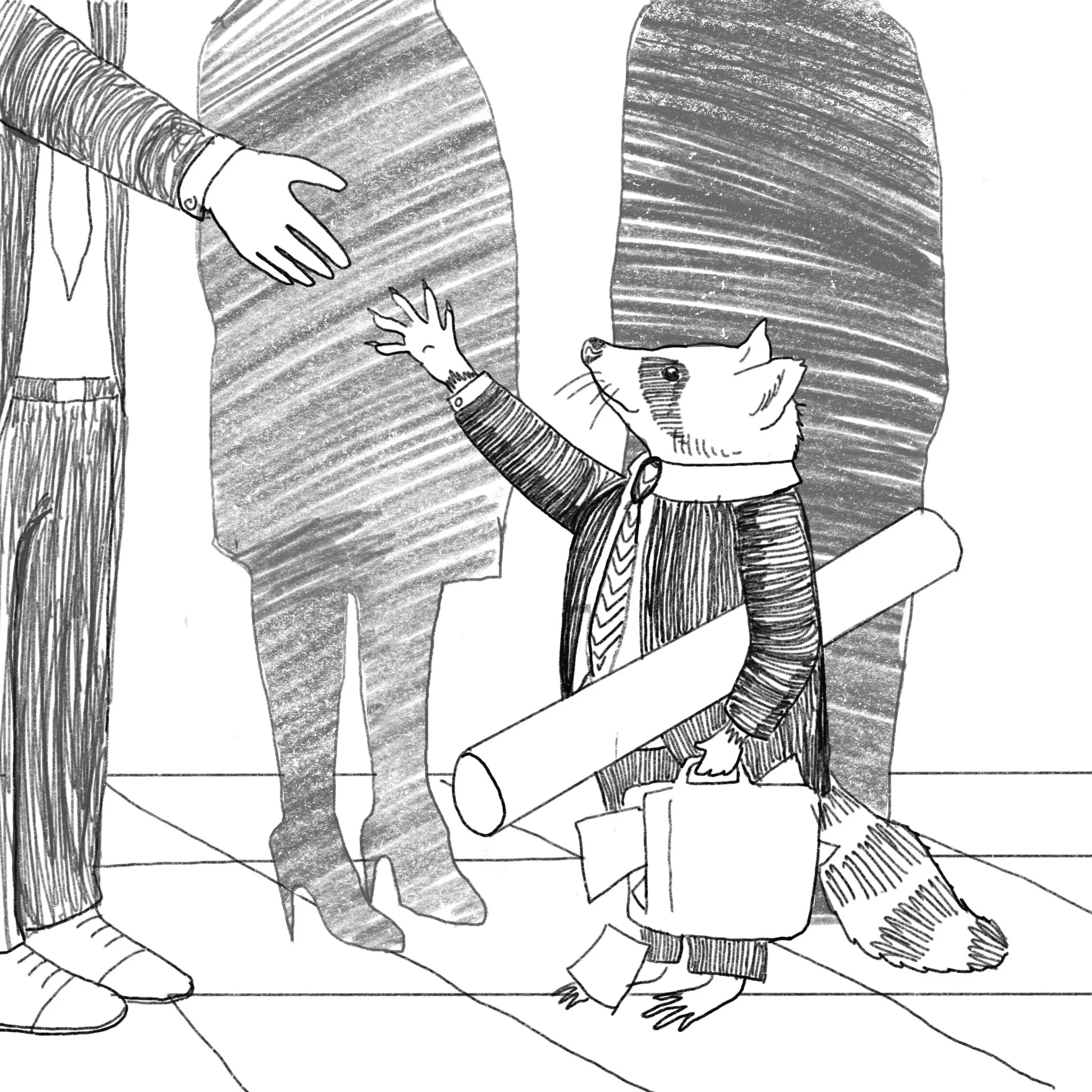
Being an imposter often means we’re breaking trail. It’s a feeling that accompanies exploration, cross-pollination and innovation. It’s disruptive and uncomfortable because change is disruptive and uncomfortable. It means we have something to share and something to learn.

How to tame your inner critic
The inner critic has a really important job to do. It has been training for years. The more you push it away the more it will pop up because it is a clever mechanism for keeping you alive.
The critic uses any means to prevent us from being rejected. It berates us to keep us from being berated by others. Bigger, scarier others that used to stand between us and resources back when we were too small to get them for ourselves.
4 ways To have creative flow without consistency
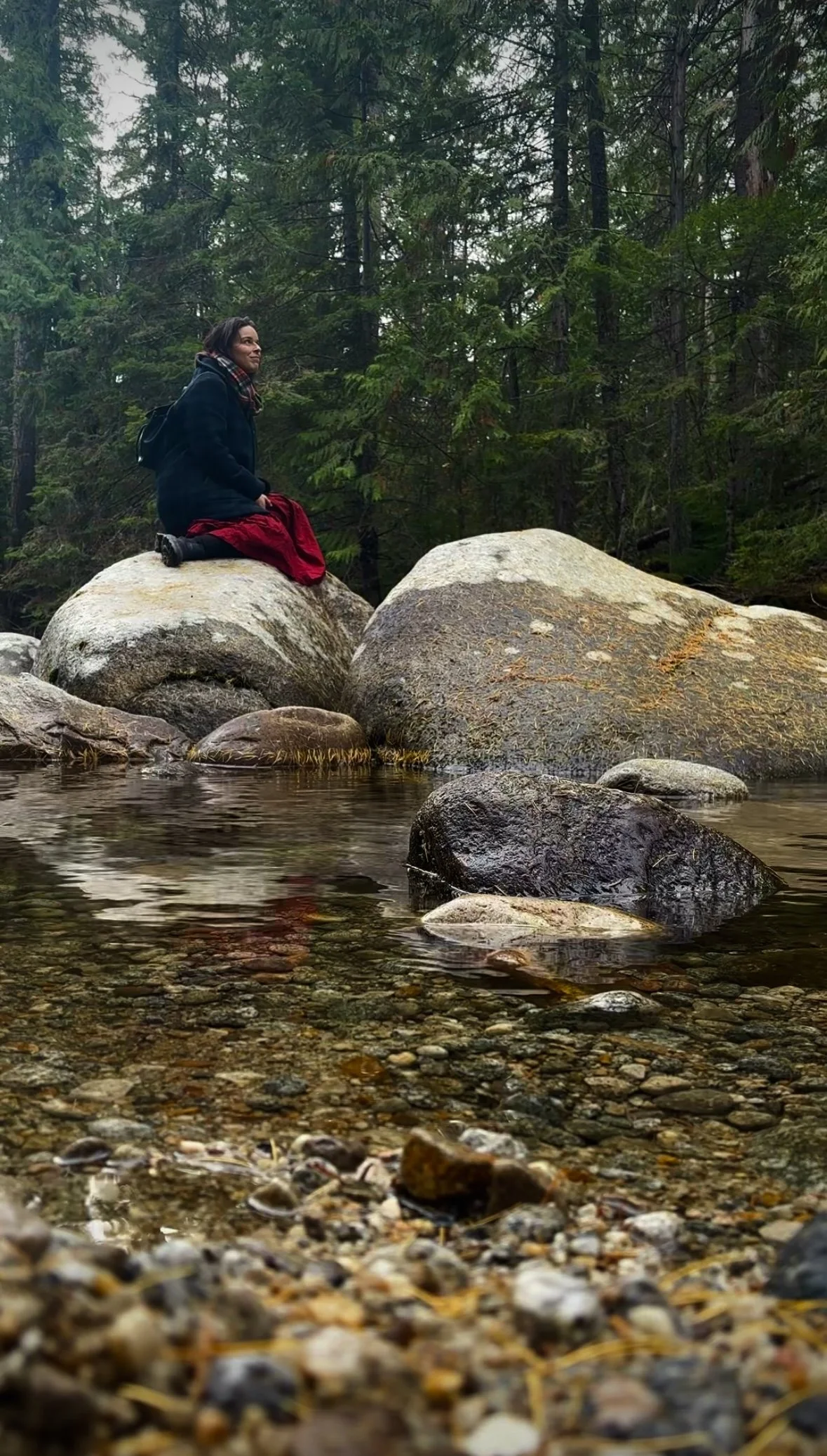
The (almost) universally prescribed cure for creative flourishing is a creative practice. Whether it’s illustrated journalling, morning pages, a dance or music practice. I recommend this a lot, but I’m here to say that it’s not the only answer. I promise you can unlock your creativity and improve at your craft without rigorous creative practice, productivity habits or even being consistent at all.
Don’t skip this step in your big life transitions.
I’m forever amazed at how quickly people expect to bounce back after a big life change. I often hear my clients say: “I left my corporate job/my marriage/school/moved across the country/retired a while ago, but I don’t feel any desire to work on my business/dive into studies/get creative in the studio. What’s wrong with me?”

The “no” that opens doors
You know, the thing that everyone else thinks is so obviously the best thing to do. The thing you would be crazy to say no to, but… that leaves you with a small sinking feeling deep inside.
Listen to that feeling. That small sigh is the sound of everything in you that yearns to be born.