
The wild-Mind Blog
On burnout, neurodivergence, and building a life that fits.

Burnout recovery vs. burnout prevention: why they're different
Burnout recovery and burnout prevention go hand in hand. Of course, you want both if you don’t want to simply keep cycling from burnout to burnout. But there are a few key differences that are important to understand and will help you do both more effectively.
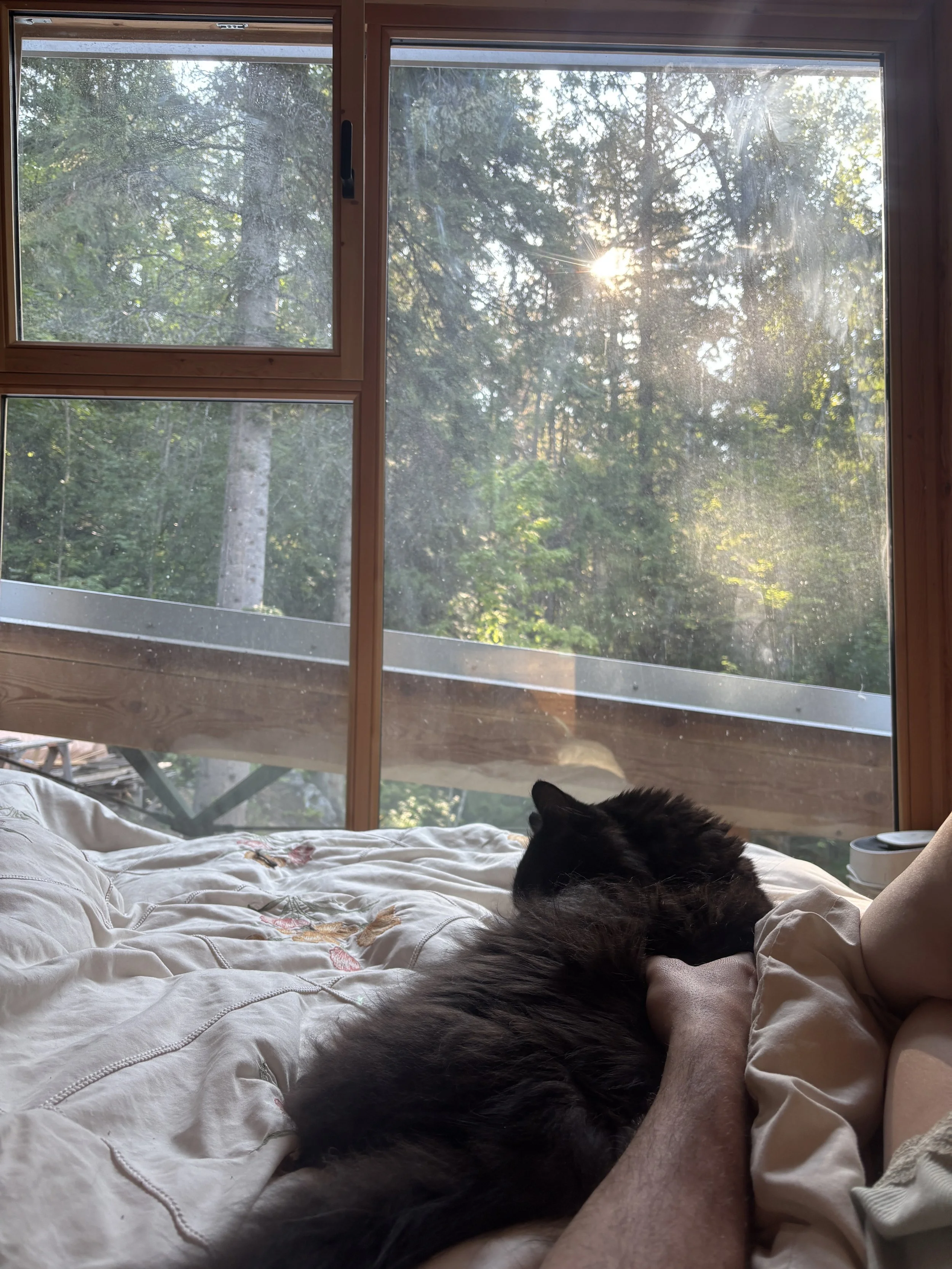
Why rest alone doesn’t fix burnout
Rest is vital for burnout recovery, and it’s only part of the solution.
If we rest and recover, but then go back to the exact same life that burned us out in the first place, then what we’re really doing is creating a cycle. A pattern where we go from burnout to burnout. Fill and empty. Fill and empty. Here’s how to exit that cycle.

Jobs for Highly Sensitive People
No two of us are the same, but there are certain types of work that sensitive people are generally well suited for. Having said that, having the right skills for a job is not always enough to determine if you’re going to actually be happy doing that work. So I’ll list some work that might be a good fit, but more importantly: I’m going to give you some frame works for thinking about your career that will help you build the criteria to assess your job opportunities.
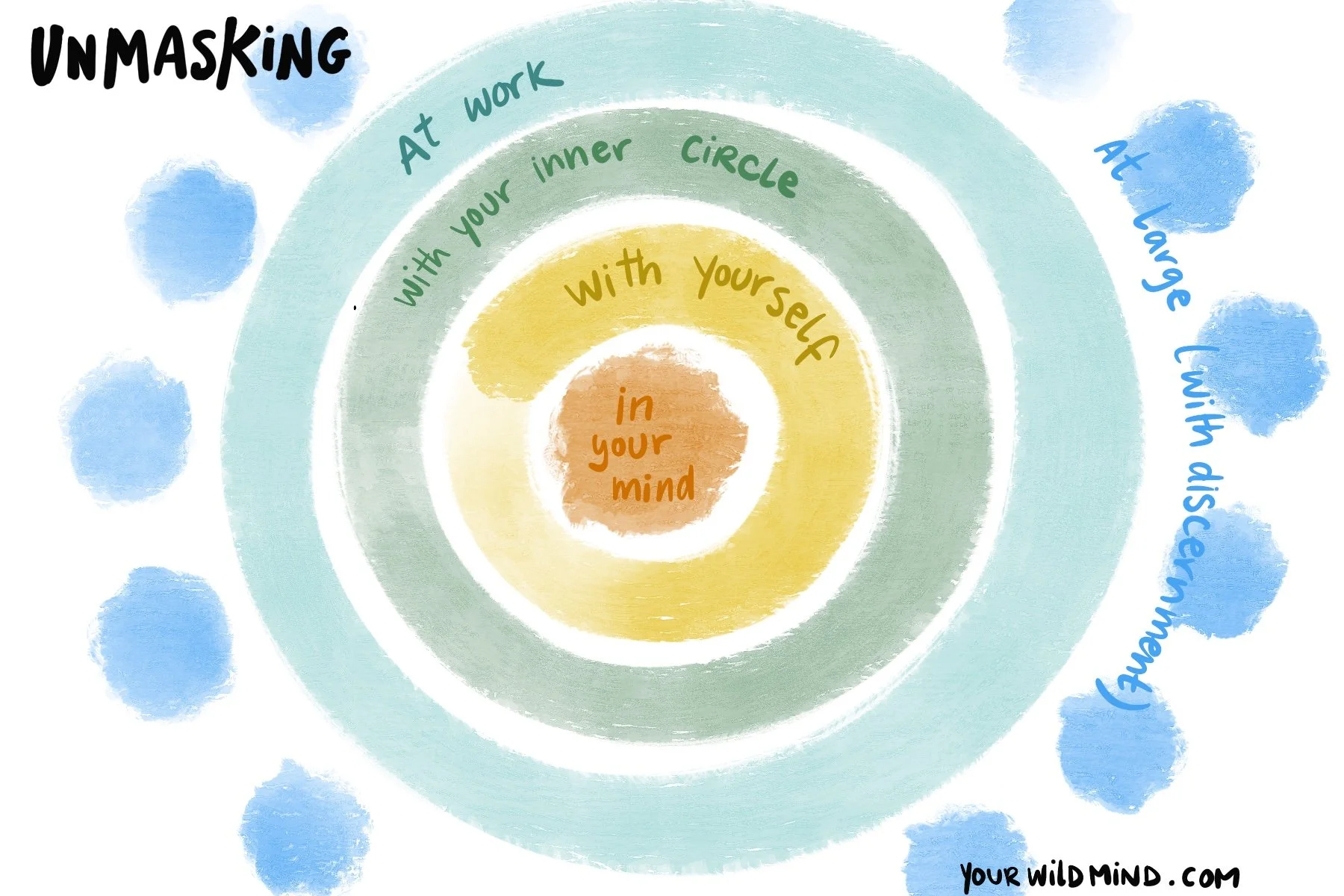
The Layers of Unmasking
Revealing our true selves is a many layered process. Likely, each layer has layers of its own. As we go through the stages of reclaiming our authenticity, we find tools and strategies that worked and some that didn’t. Some that are still useful, and some we never want to use again. This list isn’t linear, it’s more like a spiral or concentric circle. For example: lots of us have unmasked with really close friends before we felt safe to unmask just in our own company. Here are some of the levels of unmasking…

One of the biggest obstacles to achieving goals, and how to get around it
It’s very human to set a goal without playing it through in our mind and anticipating some of the challenges. I make this mistake all the time. And I’d probably be out of a job if it wasn’t an almost universal trait. Hiring a coach is a good way to go, but starting with these steps will go a long way.

The unexpected difference between work and play
Let’s start with what it’s not. The difference between work and play isn’t effort. Anyone who’s had a hobby (skateboarding, marathon running, golfing, knitting) can tell you that much. Exerting yourself doesn’t make your play feel less playful. Quite the contrary.
And it’s not merely about money either. Making money from play doesn’t automatically turn it into work.
It’s not about what you add. It’s about what you take away.

“why won’t you give me advice in our coaching session?”
If only it ever worked! How amazing would that be? I would personally have saved myself years of struggle if I had been able to listen to advice. I can’t do it. Fundamentally incapable. And I suspect a few of you out there are like me too. Every time I’ve given in to the temptation to tell clients what to do during a session, give advice or otherwise direct the conversation I’ve regretted it.
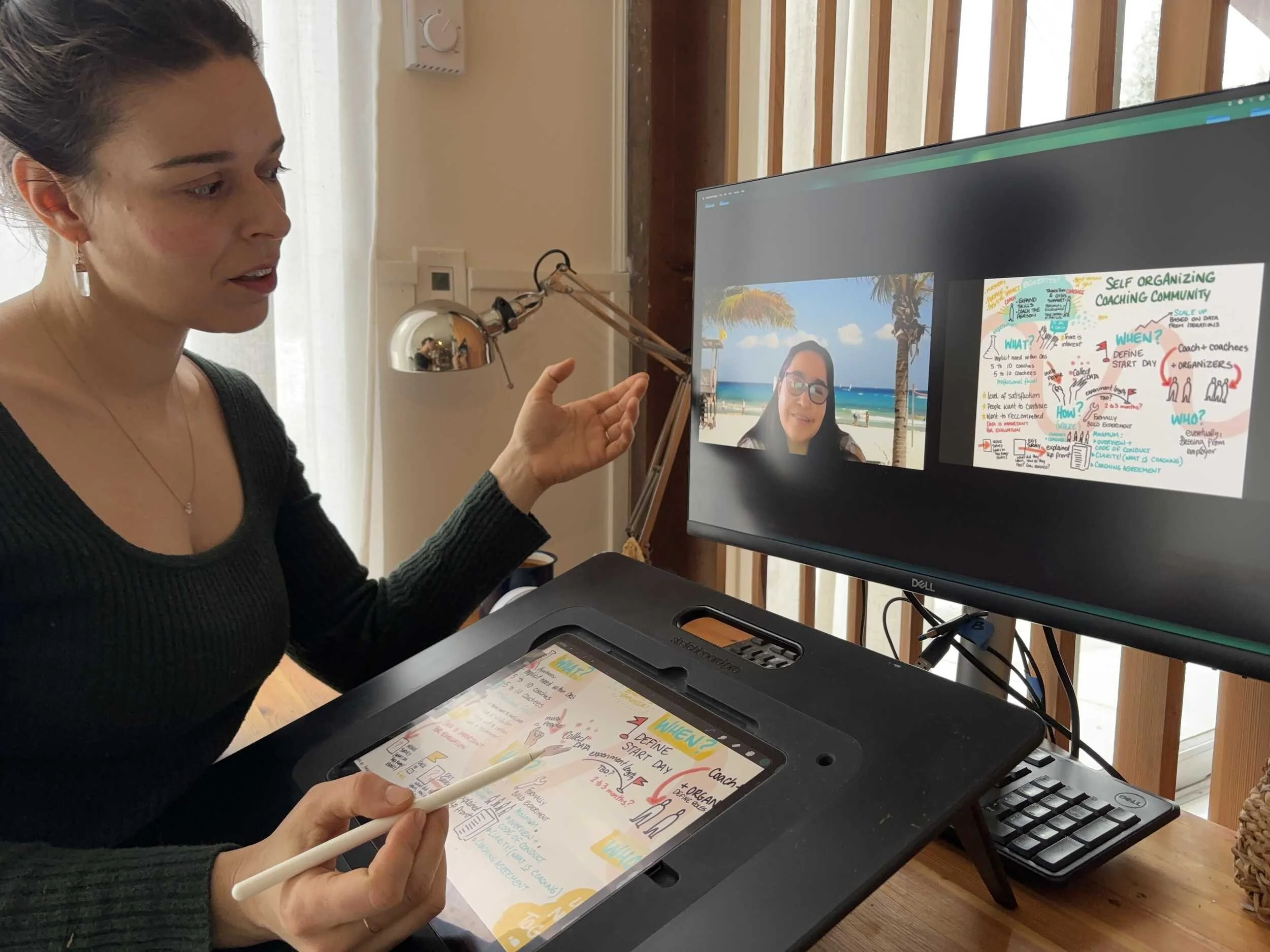
What does a life coach do exactly?
All jargon aside, my favourite metaphor to explain coaching is a captain/navigator relationship. My client is the captain and chooses which star we are navigating towards. As the navigator, I use all of my tools to keep that star in sight, and plot our relationship to it.