The wild-Mind Blog
Guidance for understanding and reclaiming your depth and creativity

One of the biggest obstacles to achieving goals, and how to get around it
It’s very human to set a goal without playing it through in our mind and anticipating some of the challenges. I make this mistake all the time. And I’d probably be out of a job if it wasn’t an almost universal trait. Hiring a coach is a good way to go, but starting with these steps will go a long way.

A different way of understanding Neurodiversity
My new way of understanding neurodiversity is that it’s like biodiversity: necessary for a healthy ecosystem.
We’re different in the way that cedar, birch and ponderosa pine are all different kinds of trees. When you cut down cedar and birch and turn them into lumber they have a lot of value. But ponderosa isn’t as easy to use…

What is self-trust and how do I get it?
Self-trust is knowing and inhabiting yourself and owning your abilities. It’s respect for yourself as you are, and the natural drive of curiosity that motivates you to grow. It’s also the humility to understand that we are interdependent, and the ability to build trust with others. It’s an open-ended belief in our ability to grow.
Why Imposter Syndrome can be a good sign
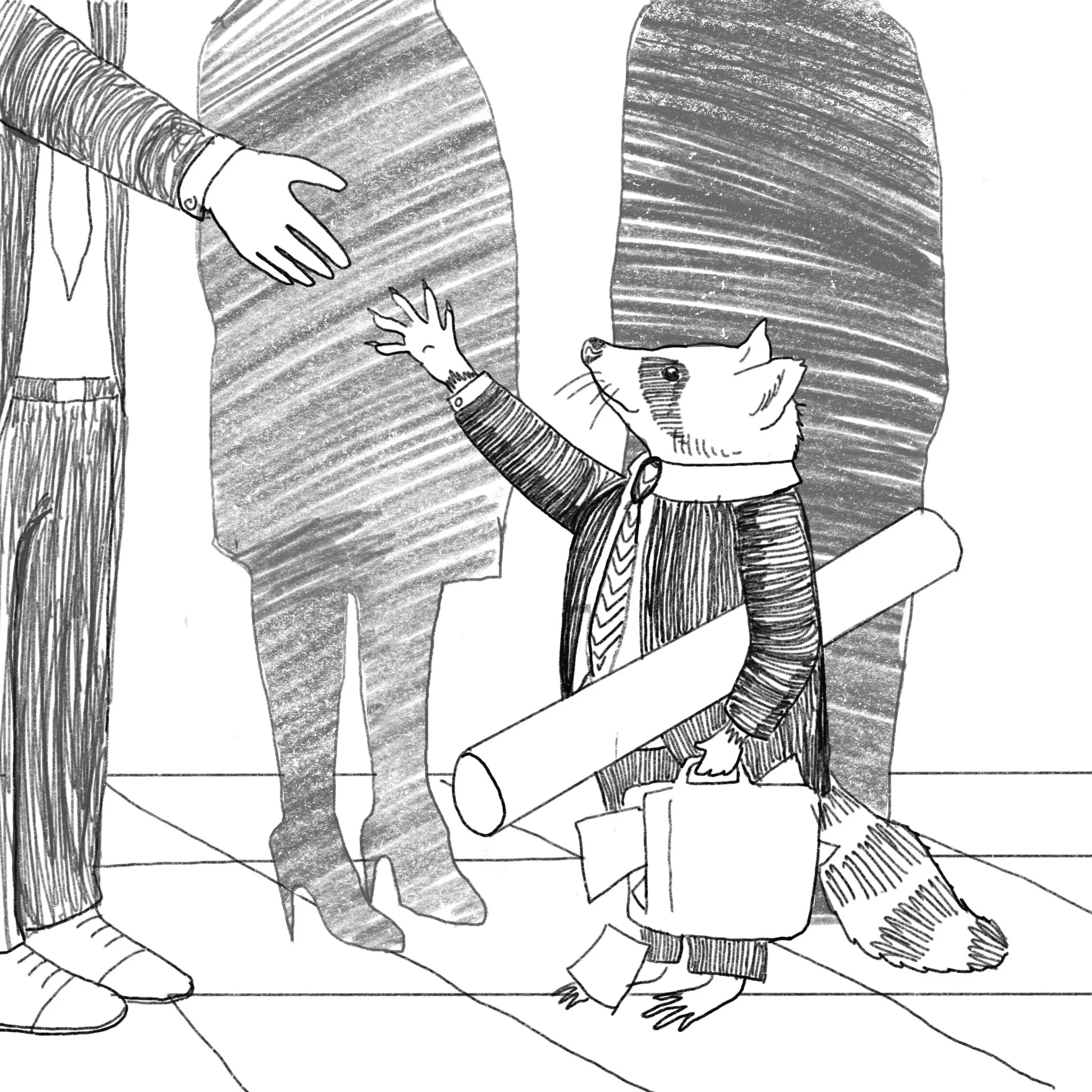
Being an imposter often means we’re breaking trail. It’s a feeling that accompanies exploration, cross-pollination and innovation. It’s disruptive and uncomfortable because change is disruptive and uncomfortable. It means we have something to share and something to learn.

There’s a big difference between knowing it and doing it
This isn’t a sermon on going outside (but also, go outside! It’s nice there! There are cool things like moss and small birds and rivers). But I want to point out the blind spots we have because of our values. I know this is good for me. I believe in it. I espouse it. So it must mean I do it. Only, does it?

Don’t skip this step in your big life transitions.
I’m forever amazed at how quickly people expect to bounce back after a big life change. I often hear my clients say: “I left my corporate job/my marriage/school/moved across the country/retired a while ago, but I don’t feel any desire to work on my business/dive into studies/get creative in the studio. What’s wrong with me?”

Can’t keep a schedule? It’s not your fault. Here’s what can help.
At its core, calendar phobia is often about deconditioning from a system that separates us from the flow of our needs and desires. We might feel like we are at school raising our hand to be allowed to use the bathroom and fighting our impulses and urges to run around or rest. If you’ve only known scheduling as a tool of the systems that felt oppressive, then it’s not going to feel comfortable to start putting things in your calendar.

What if you don’t make decisions the way you think you do?
Recently I’ve noticed people don’t always make decisions in the way they think they do.
It looks like they are deciding. They’re talking about it, they’re weighing pros and cons. They’re hesitating. They’re doubting themselves. But ultimately, The decision has already been made, They’re just convincing themselves of it.